


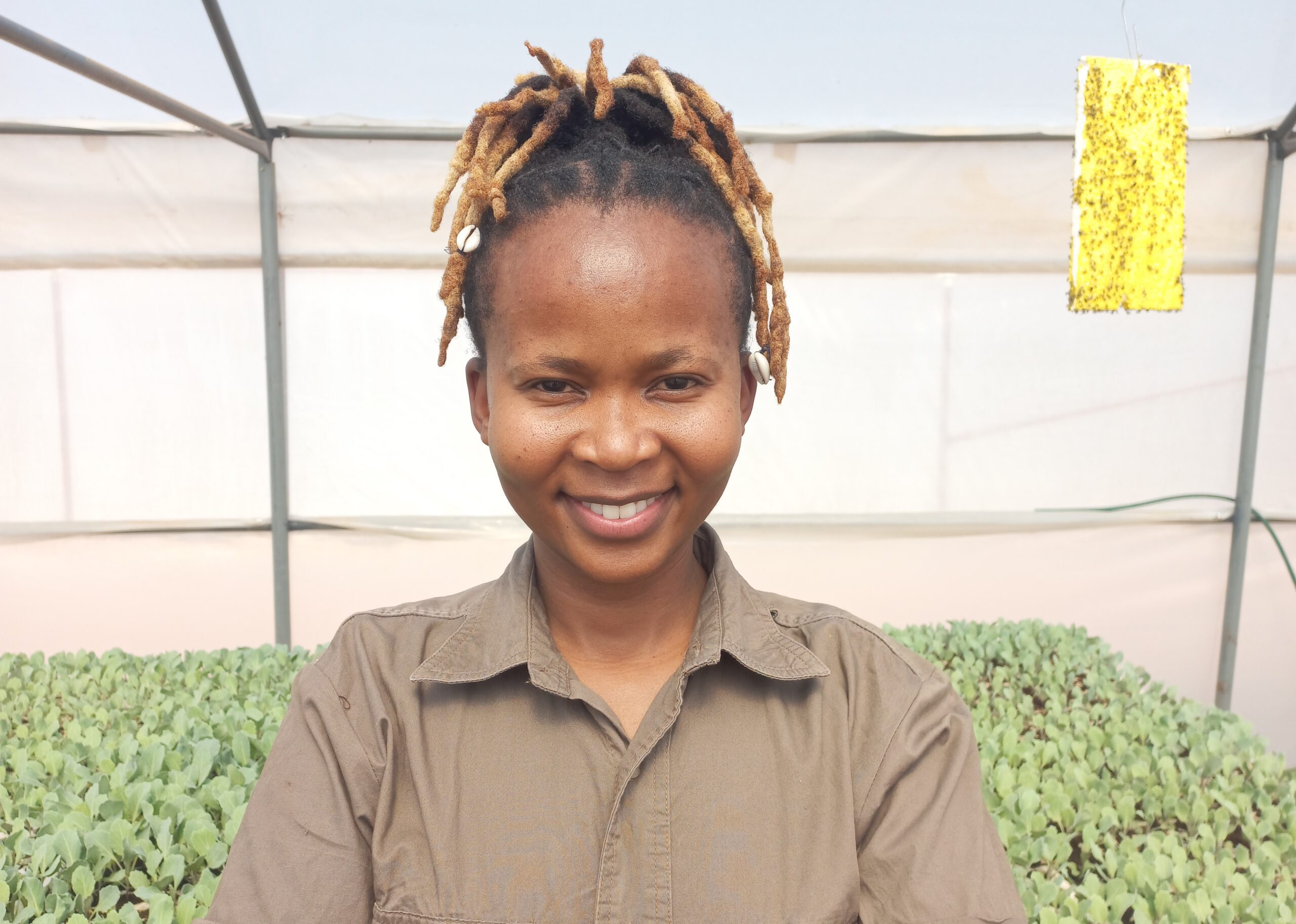
In Botswana’s Central District, a quiet agricultural revolution is underway — one that goes beyond seeds and soil to sensors, cold-chain logistics, and data-driven dashboards. At the forefront is Oneile Wale, founder of Sediba Agtech Couriers, a specialized service transforming how the nation’s agricultural produce moves from remote farms to urban markets.
For years, Botswana’s agricultural sector has faced a recurring problem: farmers grow high-quality vegetables, but transporting them from farm gate to supermarket often leads to significant loss. Sediba Agtech Couriers was created to bridge this gap, ensuring smallholder farmers’ efforts are not lost to the sun.
The idea arose from Wale’s primary company, The Herdgirl, which provides resilient, climate-smart seedlings to local farmers. She noticed a troubling pattern: “While the seedlings project was highly successful in equipping farmers with resilient, climate-smart inputs, once crops were harvested, farmers had no reliable way to transport them or preserve shelf life in transit.”
The statistics are sobering. Smallholder farmers often rely on open-air trucks in extreme heat, resulting in spoilage rates of 30 percent to 60 percent before produce reaches urban centres. “This isn’t just about wilted vegetables; it’s a disaster for food security and national economic independence,” Wale said.
Sediba Agtech Couriers offers temperature-controlled transport and real-time IoT monitoring to ensure produce remains fresh from farm to supermarket. For remote farmers, the service provides logistics previously unavailable; for formal market buyers — including retailers, wholesalers, and the hospitality sector — it guarantees quality and compliance with food safety standards.
The company stands out for its use of technology. The Sediba Agtech Digital Dashboard offers automated, variety-specific cropping plans, guiding farmers on sowing, transplanting, and harvesting to reduce market saturation and food waste. The platform integrates real-time weather data, providing early warnings for heatwaves or unseasonal frost. Over time, Sediba is building a proprietary knowledge base for the Central District, tracking which crop varieties perform best in specific micro-climates.
Wale refined her data-driven approach through the Women in Tech (WiT) Botswana program. While the program strengthened systems and brand strategies, she says the mental health sessions had a lasting impact, teaching her to address challenges rather than bottle them up. Her pitch in the program won USD 5,000 and the Best Pitch Award.
Looking ahead, Sediba Agtech Couriers aims to be more than a logistics provider. Wale envisions guiding a national cropping plan to achieve food sovereignty. By reducing post-harvest loss from over 50 percent to 5 percent, the company hopes to ensure farmers’ labour translates into income rather than waste.
The initiative also creates employment opportunities for local youth while turning subsistence farming into a viable commercial enterprise. Sediba Agtech is expanding cross-border deliveries, protecting the cold-chain integrity, and enabling Botswana farmers to participate in international trade.
Sediba’s model exemplifies the potential of a knowledge-based economy and women’s leadership in STEM. At sixty years of independence, Botswana’s path toward food sovereignty and sustainable agriculture finds a strong advocate in Wale and her company. Sediba Agtech Couriers is not just delivering vegetables; it is delivering a sustainable economic future for the nation.


