


Botswana Railways says it is entering 2026 with a structured turnaround programme aimed at stabilising operations, strengthening governance, and positioning the organisation for long term sustainability after years of underinvestment and operational strain.
The organisation recently appointed Okitanye Gaogane as Caretaker General Manager, signaling a fresh phase in leadership and recovery efforts.
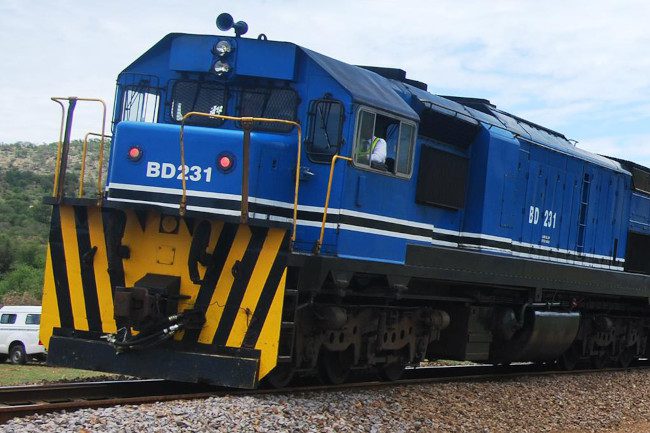
In a recent statement, BR highlighted the scale of its operational challenges, noting that “ageing locomotives, limited operational wagons, and maintenance backlogs remain key challenges affecting freight capacity and service reliability.” The organisation said its current fleet comprises 31 locomotives, of which only eight are operational, and 1,155 wagons, with just 135 in service.
The statement also underscored the impact on freight movement. BR revealed that freight tonnage stood at 521,000 tonnes, well below the period target of 935,000 tonnes, with the organisation aiming to reach 1.4 million tonnes by March 2026. “The underperformance comes amid acknowledged fleet shortages and deferred maintenance, which continue to limit hauling capacity,” the organisation said.
The turnaround programme will focus on addressing these challenges through “prioritised maintenance, operational restructuring, and tighter governance systems.” BR further emphasised that leadership and governance improvements are central to the programme, stating: “The review and strengthening of leadership structures will enable more disciplined decision making and effective policy implementation, laying the foundation for financial recovery and improved service delivery.”
While modernisation and private sector investment remain medium to long term objectives, the organisation said: “2026 is primarily about restoring operational stability, ensuring freight services run reliably, and rebuilding confidence in the national rail system, key steps to supporting Botswana’s economic and logistics ambitions.”
Furthermore, they expect the ongoing review of the Railways Act to create a legal framework that would allow greater private-sector participation in rolling stock, infrastructure, maintenance, and signalling systems, opening opportunities for strategic investment and partnerships to support modernisation and growth of the national rail system.


