


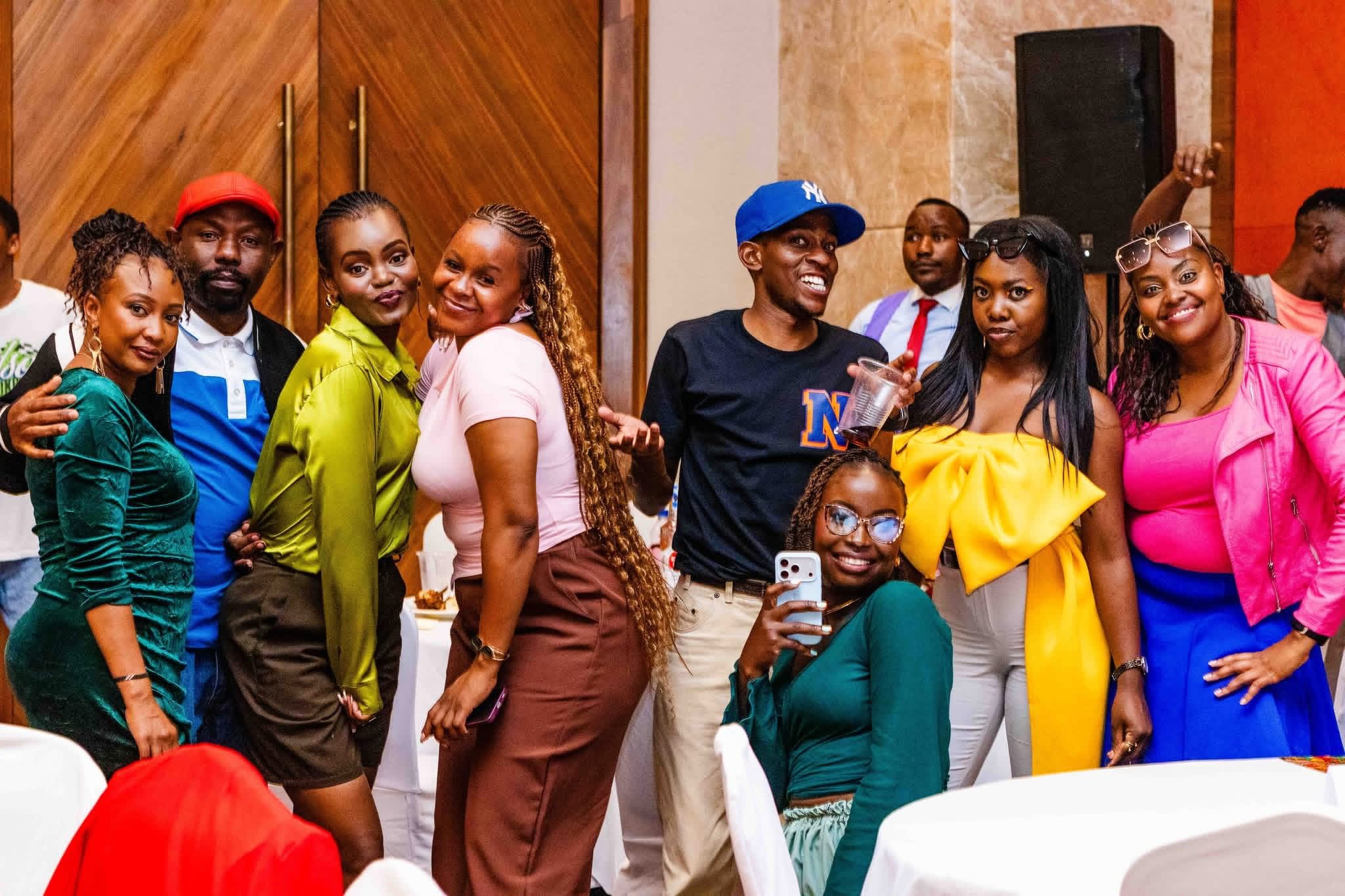
A celebration is wonderful. But it cannot replace a culture of appreciation.
The venue has been booked, the menu approved and the entertainment confirmed. Somewhere, someone in HR is losing sleep over seating arrangements, dietary requirements and whether the DJ understands that the CEO’s favouritesong must be played at precisely the right moment. The annual staff party is upon us.
Across organisations, preparations are underway to celebrate another year of hard work, resilience, achievements and, depending on the organisation, surviving one or two rather interesting management decisions. There will be speeches about teamwork, awards, photographs and, hopefully, a wonderful time for everyone.
And there should be. People deserve opportunities to celebrate and connect outside the usual pressures of work. But somewhere between the welcome drinks and the CEO’s speech, an uncomfortable question is worth asking: can one evening of appreciation make up for eleven months of feeling unappreciated?
The Party Is Not the Problem
Let’s establish something immediately: there is nothing wrong with an annual staff party. Celebrations recogniseachievements, create connection and let people experience colleagues beyond deadlines and meetings. Some of the most meaningful workplace memories are made this way.
The problem begins when celebration becomes a substitute for addressing everyday employee experience. When an organisation spends generously on one evening of appreciation but struggles to show the same appreciation throughout the year, employees notice. They remember the concerns that went unanswered, the contributions that went unrecognised, the promises that quietly disappeared and the difficult conversations that were avoided. No matter how impressive the venue, those experiences do not disappear when the music starts.
Employees Have Excellent Memories
A leader may have forgotten the meeting in March when an employee was publicly embarrassed. The employee probably has not. Management may barely remember the promise in June to improve communication. The team still waiting for that improvement certainly does.
This does not mean employees cannot move forward or enjoy positive experiences. It means culture is cumulative. People form opinions about their workplace through repeated experiences, not isolated events. An organisation cannot consistently overlook concerns and then expect a beautifully decorated ballroom to create trust. Trust is built in ordinary moments, long before anyone starts planning the party.
Appreciation Is Not an Annual Event
How is appreciation experienced throughout the year? Do employees receive meaningful recognition? Are they treated respectfully when things go wrong? Are their ideas genuinely considered? Or does appreciation arrive mainly as an annual speech?
There is a difference between telling employees they are valued and creating an environment where they consistently feel valued. A sincere thank you after a difficult project can mean more than an elaborate award ceremony months later. A manager who notices when someone is overwhelmed may have a greater impact than an expensive corporate gift. A leader who takes concerns seriously all year demonstrates appreciation in ways no photograph can capture.
The strongest cultures do not reserve respect, recognition and care for special occasions. They practise them daily.
Do Not Confuse Attendance With Engagement
The party is a tremendous success. Attendance is excellent, people are laughing and dancing, and management is delighted. “Look how happy everyone is!”
Perhaps they genuinely are. But enjoyment at a social event is not evidence of a healthy culture. People can enjoy a good meal and still be frustrated with their working conditions. They can dance with colleagues they love while feeling disconnected from the organisation. They can appreciate the effort behind an event while remaining concerned about leadership, fairness or communication.
Human beings can hold two feelings at once. A successful party tells us people enjoyed the party. It does not tell us how they experience the other 364 days.
The Culture You Celebrate Should Be the Culture You Practise
Imagine an organisation that spends the year encouraging collaboration, recognising contributions and treating people with dignity. When it gathers to celebrate, the event is an authentic expression of the culture people already experience. The speeches feel genuine because employees recognise the behaviours described.
Now imagine an organisation where employees regularly experience poor communication, inconsistent accountability or unresolved tension. The same speeches about teamwork and respect sound rather different. Not necessarily because leaders are insincere, but because employees are comparing the words with their lived experience. When the gap is wide, even well-intentioned celebrations can feel disconnected from reality.
The credibility of a celebration depends on the culture that precedes it.
Before You Finalise the Party, Ask a Few Questions
As the year closes, this is an opportunity to reflect on more than financial results. What has the employee experience been like? Which concerns have been raised repeatedly? Which commitments were fulfilled, and which remain outstanding? Have we recognised the people who quietly carry significant responsibility? Have we addressed behaviours that undermine trust, collaboration or accountability? And what are we carrying into the new year that we should have addressed in this one?
These questions are not meant to dampen the festive spirit. Quite the opposite. They ensure celebration is accompanied by genuine reflection.
Give Them Something Worth Celebrating
Let there be good food, wonderful music, laughter and the occasional colleague whose dancing surprises the entire organisation. Let employees enjoy themselves.
But when the decorations come down and everyone returns to their desks, what will remain? Will people return to an environment where they feel respected, heard and appreciated? Will the concerns they raised receive meaningful attention? Will the values in the CEO’s speech show up in everyday leadership decisions?
The greatest gift an organisation can give its people is not an extravagant celebration. It is a workplace where dignity, fairness, trust and appreciation are experienced all year. By all means, throw a wonderful party. Just make sure the culture is worth celebrating when the music stops.
At The Culture Leadership Group, we believe culture is built through everyday experiences, leadership behaviours and the values organisations consistently practise. As the year closes, this is an opportunity to reflect on the culture behind achievements and identify what needs to improve. Because Culture Drives Everything. Contact us on aminahm@thecultureleadershipgroup.com | 78131421 for more info.


