


Botswana’s Foot and Mouth Disease (FMD) outbreak has done more than disrupt cattle movement and slaughtering operations. It has exposed the vulnerability of an entire value chain that has historically depended heavily on beef as both a staple food and an economic driver.
Across the country, butcheries are battling dwindling stock levels. Restaurants are struggling to maintain menu consistency. Catering businesses face shrinking revenues as the cost of sourcing beef continues to rise. Some establishments have already closed their doors, while others struggle to meet salary obligations as profits disappear.
Although the crisis presents undeniable challenges, it also offers an opportunity for innovation, repositioning, and business transformation. Businesses that adapt successfully today may emerge stronger, more diversified, and more resilient tomorrow.
One of the biggest mistakes establishments can make during this period is waiting for the FMD crisis to end before taking action. Instead, businesses must actively reshape customer perceptions and consumption habits.
For decades, beef has dominated Botswana’s food culture. However, consumers are increasingly exposed to diverse cuisines and protein alternatives through travel, social media, and global food trends. This creates an opportunity for local establishments to reposition poultry, fish, and game birds—not as mere substitutes, but as exciting and desirable culinary experiences.
The conversation should shift from “What can replace beef?” to “What exciting new flavours can customers discover?”
Chicken remains one of the most affordable and accessible protein sources available. Yet many businesses continue to present it as a basic option. Forward-thinking eateries can transform chicken into a premium dining experience through creative menu development. Flame-grilled chicken platters, herb-marinated chicken steaks, smoked chicken delicacies, gourmet chicken burgers, and international-inspired dishes can all elevate customer perception.
Restaurants should create themed dining experiences around poultry cuisine, introducing customers to flavoursfrom Mediterranean, Asian, Portuguese, and African culinary traditions. Consumers are far more likely to embrace alternatives when they feel they are gaining something new rather than losing something familiar.
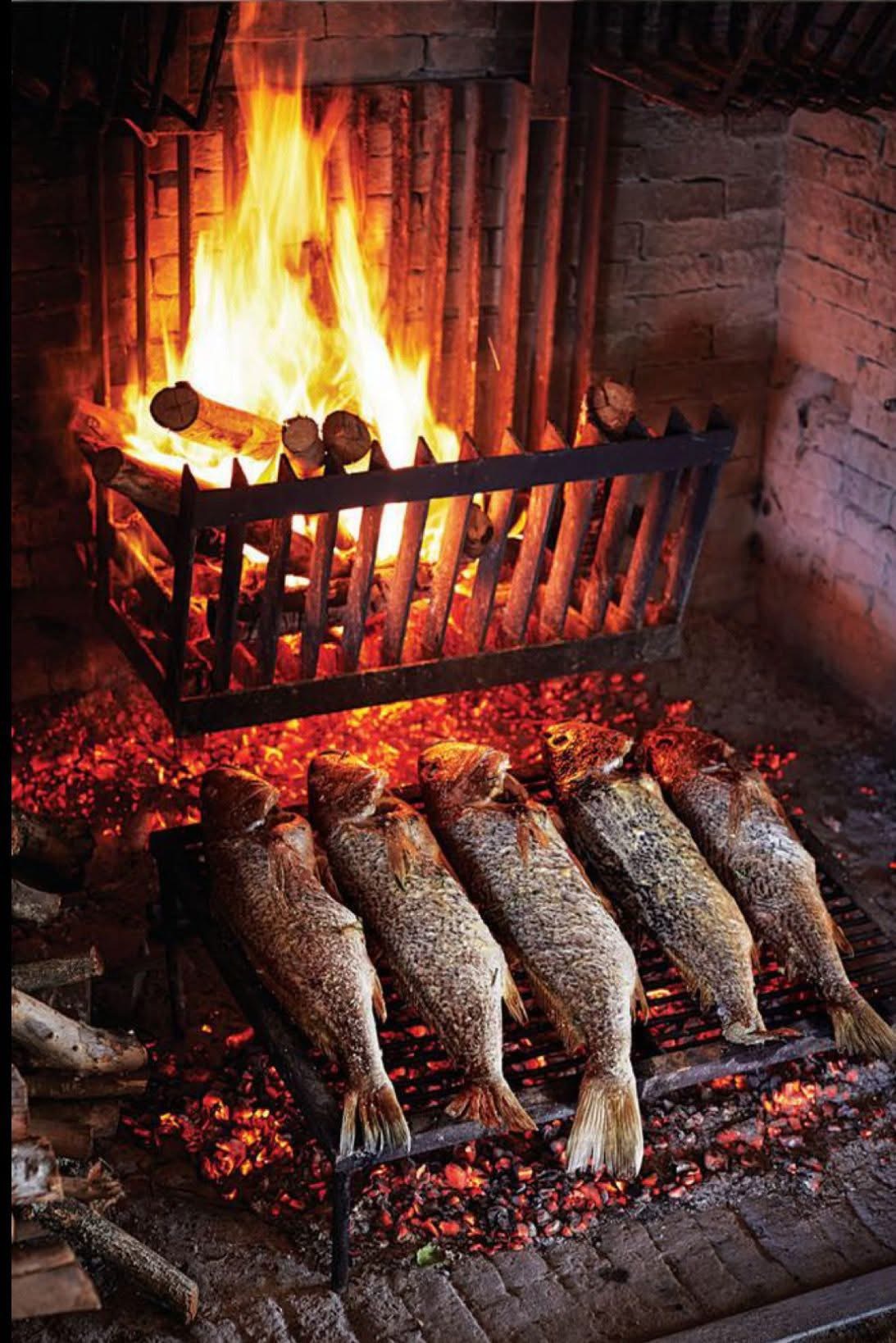
Botswana’s hospitality sector has traditionally underutilisedfish, despite growing consumer interest in healthier eating options. Restaurants can use this period to position fish as a premium lifestyle choice rather than an occasional menu item. Fresh bream, tilapia, and imported seafood products can be creatively prepared and marketed as nutritious, high-quality alternatives.
Special promotions—such as “Fish Fridays,” seafood tasting events, and chef-curated seafood experiences—can help drive customer trials and repeat purchases. The emphasis should be on quality, health benefits, and unique dining experiences.
Few businesses have explored the commercial potential of non-ruminant game birds such as guinea fowl, quail, and ostrich. These products offer an opportunity for restaurants and butcheries to stand out in an increasingly competitive environment.
Consumers are often willing to pay premium prices for unique experiences. By introducing specialty game bird menus and educating customers about their nutritional value and taste profiles, businesses can create entirely new revenue streams. This approach allows establishments to differentiate themselves rather than compete directly over shrinking beef supplies.
The traditional butchery model in Botswana is heavily centred on beef cuts. During this crisis, butcheries must evolve from being beef suppliers into protein solution providers. Successful butcheries should expand their offerings to include marinated poultry products, ready-to-cook meals, fish packs, speciality sauces, spice blends, and meal preparation kits.
Customers increasingly seek convenience. A butchery that helps consumers prepare complete meals—rather than simply selling meat products—creates additional value and customer loyalty. This transition can help maintain foot traffic and preserve revenues despite beef shortages.
The establishments that survive this crisis will be those that understand a fundamental marketing principle: consumers buy experiences before they buy products. Restaurants and butcheries should invest in storytelling around their new offerings.
Instead of advertising “Chicken Available,” businesses should promote experiences such as: Taste the Mediterranean, Seafood Nights, Botswana Game Bird Experience, Family Chicken Feast Sundays, Chef’s Signature Fish Menu, Healthy Protein Week.
Customers should be invited to participate in a culinary journey rather than simply purchase an alternative protein.
Social media platforms provide businesses with cost-effective tools to reshape consumer preferences. Restaurants should create engaging video content showing chefs preparing new dishes, host food tasting events with influencers, and encourage customers to share their dining experiences online. Visual storytelling can significantly influence purchasing decisions, especially when introducing unfamiliar menu options. Businesses that consistently showcase appealing alternatives will gradually shift consumer expectations.
The current environment also demands greater collaboration across the food industry. Restaurants, caterers, poultry suppliers, fish producers, and local farmers can work together to create promotional campaigns that stimulate demand for alternative proteins. Joint marketing initiatives can reduce costs while expanding market reach. Industry players should view the crisis as a shared challenge requiring collective solutions rather than isolated competition.
While Botswana’s FMD outbreak has undoubtedly created significant economic hardship, it has also highlighted the importance of business adaptability. The businesses that thrive will not necessarily be those with the largest beef supplies, but those capable of reimagining their value proposition.
By embracing poultry, fish, and game birds; creating memorable dining experiences; investing in creative marketing; and educating consumers, Botswana’s eateries and butcheries can transform a crisis into an opportunity. The current challenge is not merely about finding alternatives to beef. It is about creating new consumer habits, new market opportunities, and new business models that can sustain the industry long after the Foot and Mouth Disease crisis has passed.
For many businesses, survival may depend on one simple principle: innovate or stagnate. The establishments that choose innovation today may well become the market leaders of tomorrow.
The author, Dumisani Ncube, is a Strategic Marketing and Communications Specialist with extensive experience working with leading local and international brands.


