


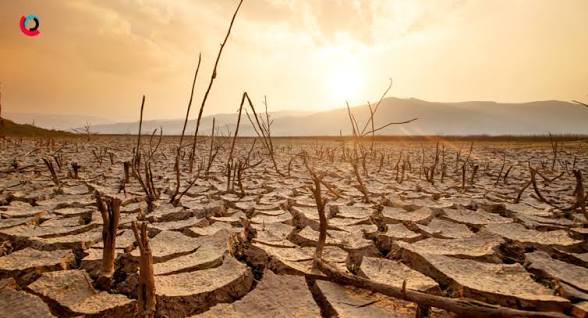
Botswana could soon face another climate-induced economic stress test, with forecasts of a powerful El Niño later this year threatening to disrupt agriculture, strain water supplies, push up food prices and expose vulnerabilities across key sectors, including tourism, energy and public health.
The outlook revives memories of the devastating droughts of 2015/16 and 2023/24, which highlighted the country’s heavy dependence on favourable weather despite efforts to diversify the economy.
While agriculture is expected to bear the immediate impact, climate experts warn that prolonged heat and below-average rainfall could trigger wider economic consequences, illustrating how deeply climate risk has become intertwined with Botswana’s development.
According to Botswana Meteorological Services, El Niño is expected to strengthen during the 2026/27 rainfall season, increasing the likelihood of delayed rains, prolonged dry spells and widespread drought.
Forecasts indicate a 97 percent probability that El Niño conditions will persist into early autumn 2027, with the strongest phase expected between November 2026 and early 2027.
The warning comes as Botswana continues to recover from previous El Niño episodes that exposed the economy’s vulnerability to climate shocks.
The 2015/16 event, ranked among the three strongest ever recorded, triggered southern Africa’s worst drought in 35 years. Botswana endured record-breaking temperatures, repeated heatwaves and critically low water levels as dams, rivers and reservoirs shrank. Across the region, maize production fell by about a quarter.
More recently, the 2023/24 El Niño again demonstrated the country’s exposure to extreme weather.
Botswana declared an extreme agricultural drought after cereal production met only six percent of national demand. More than 16,000 livestock died as grazing land disappeared and water sources dried up, while an estimated 163,000 people experienced food insecurity. Many farmers abandoned ploughing altogether because of prolonged heat and lack of rainfall.
These recurring shocks have heightened concerns about the latest forecasts.
Agriculture at greatest risk
Agriculture remains Botswana’s first line of exposure.
The Botswana Meteorological Services classifies the potential impact on arable farming as catastrophic, warning that another season of delayed rains and prolonged dry spells could significantly reduce sorghum and maize production, increase dependence on imports and reverse recent gains in domestic food production.
The Food and Agriculture Organization (FAO) has warned that parts of Botswana face more than a 50 percent probability of agricultural drought during the coming El Niño, placing maize, vegetables and fruit production at considerable risk.
Livestock farmers face equally severe challenges.
Reduced grazing, deteriorating pasture quality and shrinking water resources are expected to weaken cattle conditions and increase livestock losses, potentially undermining Botswana’s ambition of expanding the national herd to five million cattle by 2030.
Wider economic consequences
The impact is unlikely to stop at the farm gate.
Meteorological Services warns that prolonged heat could increase cases of heat-related illnesses, particularly among children, the elderly and outdoor workers.
Lower agricultural production is also expected to push food prices higher, worsening food insecurity among vulnerable households while adding to inflationary pressures and increasing the cost of living.
Water security presents another significant concern.
Reduced rainfall, combined with higher evaporation rates, could lower dam and reservoir levels, threatening water supplies for households, agriculture, mining and industry while placing further pressure on ecosystems already operating under chronic water stress.
Energy and tourism under pressure
The energy sector could also come under strain despite Botswana’s reliance on coal-fired electricity.
Lower water levels across the region could once again reduce hydropower generation in neighbouring countries, limiting electricity exports through the Southern African Power Pool and increasing supply pressures and electricity costs.
Meteorological Services noted that reduced water levels in Mozambique affected electricity generation during the previous El Niño, warning that a repeat could result in higher energy costs and potential power shortages.
Tourism, one of Botswana’s leading foreign exchange earners, also faces significant risks.
Drying river systems, including the Thamalakane River, could force wildlife migration, increase human-wildlife conflict and threaten fragile ecosystems such as the Okavango Delta.
During the 2024 drought, endangered hippos became trapped in shrinking water bodies, highlighting how prolonged dry conditions can disrupt biodiversity and undermine one of Botswana’s most valuable tourism assets.
“A decline in tourism would devastate local communities and the national economy,” the Meteorological Services said.
Continental warning
The risks extend well beyond Botswana.
The African Development Bank estimates that an exceptionally strong El Niño could cost African economies between US$10 billion and US$20 billion through damage to agriculture, infrastructure and water systems, while forcing governments to divert spending from health, education and infrastructure towards disaster response.
The bank estimates Africa requires around US$100 billion annually to adapt to growing climate risks.
Meanwhile, the FAO says the emerging El Niño coincides with continuing disruptions in global agricultural input markets.
Higher fertiliser prices and supply constraints linked to geopolitical tensions could compound weather-related production risks ahead of the 2027 planting season.
Although strong cereal harvests elsewhere in southern Africa may help cushion regional supplies, the FAO warns that early forecasts still point to an increased risk of below-average production in 2027 and renewed pressure on food security if seasonal projections materialise.


