


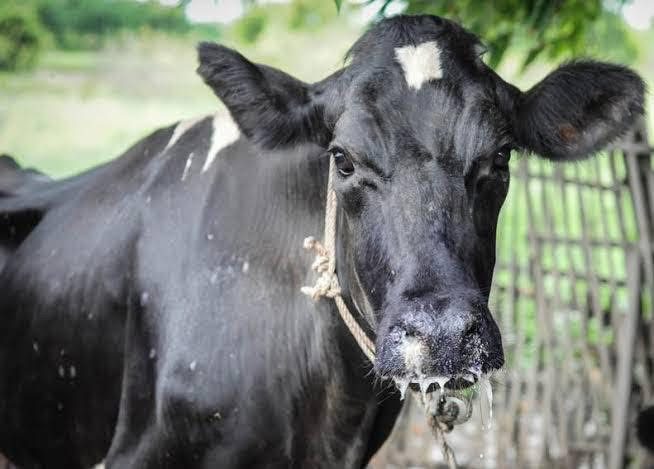
Foot and Mouth Disease (FMD) outbreaks are once again placing Botswana’s livestock sector under pressure, with potential ripple effects extending beyond agriculture into rural incomes, supply chains and external trade performance. The concern is no longer limited to animal health, but increasingly centres on how prolonged restrictions and export disruptions interact with an already constrained fiscal environment.
Absa Bank Botswana economist Tshepiso Gaetsewe breaks down the broader economic implications of recurring FMD shocks and what policymakers should prioritise to contain long-term damage in an interview with Baboloki Meekwane.
Q: At what point does a sectoral shock like FMD translate into a macroeconomic risk or qualify as a national crisis?
A: A sectoral shock becomes a macroeconomic risk when its effects begin to spill beyond directly affected farmers and materially affect income flows, consumption, exports and fiscal balances. In Botswana’s case, Foot and Mouth Disease (FMD) crosses that threshold when movement restrictions become prolonged, export channels are disrupted and rural income losses begin feeding into lower economic activity in villages and small towns.
Historically, Botswana has faced FMD outbreaks and demonstrated a strong capacity to contain them. However, macroeconomic risk increases when outbreaks occur alongside other pressures such as weak global demand, drought stress and tight public finances. It is the combination of shocks, rather than FMD in isolation, that raises the risk of broader economic strain.
Q: How do livestock movement restrictions spill over into the broader rural economy?
A: Livestock is not just an agricultural activity in Botswana. It is a store of wealth, a source of liquidity and a pillar of rural livelihoods. When movement restrictions are imposed, farmers are unable to sell cattle, immediately cutting off cash flow. Rural households delay spending, reducing expenditure in local shops and services. Secondary losses are then felt by small traders, transporters, feed suppliers and abattoir workers.
Over time, this creates a liquidity squeeze in rural economies where alternative income opportunities are limited. These effects may not immediately appear in national GDP data, but they are strongly felt at community level.
Q: How significant is the loss or suspension of FMD-free status for foreign earnings and investor confidence?
A: Botswana’s beef sector plays a pivotal role beyond its contribution to GDP because it supports foreign earnings, rural jobs and the country’s reputation for high-quality agricultural exports. The loss or suspension of FMD-free status affects export volumes, particularly to premium European Union markets, foreign exchange earnings and investor confidence, especially in downstream agro-processing and cold-chain logistics.
This is particularly concerning at a time when fiscal and external buffers are already under pressure.
Q: What indicators should policymakers monitor to determine whether the current FMD situation warrants escalation to a national disaster?
A: Policymakers should closely monitor the duration and geographic spread of movement restrictions, the length of export suspensions and the loss of key markets. They should also track rural income indicators such as cattle sales volumes and abattoir output, as well as fiscal exposure, particularly compensation costs and emergency spending needs. Based on Botswana’s past experiences with FMD, disruptions remain manageable when outbreaks are swiftly and effectively contained. However, prolonged restrictions significantly increase economic losses, deepen rural income stress and heighten fiscal pressures, raising the risk of broader economic spillovers.
Q: What interventions would be most effective in cushioning farmers and rural economies while preserving long-term market access and recovery prospects?
A: From an economic perspective, the most effective response is one that balances short-term relief with the protection of long-term market access. This means providing targeted liquidity support to affected farmers, rather than broad subsidies, to help them manage cash flow pressures.
Temporary loan restructuring by commercial banks and development finance institutions can also help farmers avoid distress sales of cattle. Government authorities should ensure compensation payments are timely and clearly linked to compliance with disease control measures, providing income support while reinforcing containment efforts.
In the medium term, continued investment by the state and industry bodies in veterinary surveillance and livestock traceability systems remains essential, as these measures protect animal health and safeguard Botswana’s export market credibility.
Q: How are repeated shocks such as droughts, floods and FMD outbreaks affecting Botswana’s long-term agricultural development goals?
A: Repeated shocks such as droughts, floods and disease outbreaks risk diverting financial and institutional capacity away from long-term sector development. Each emergency response absorbs funding and attention that could otherwise be directed toward productivity, value addition and market diversification.
These shocks also highlight the urgency of building more resilient, climate-aware and disease-resistant livestock systems. The challenge for Botswana is not capability, as the country has proven strong institutions, but rather breaking the cycle of recovery without transformation.
Q: What are your final thoughts on this?
A: Botswana has historically managed FMD outbreaks effectively through strong veterinary controls and policy credibility. The current challenge lies in managing the economic spillovers, especially in rural areas, at a time of broader fiscal pressure.
The response must therefore be measured, targeted and forward-looking, safeguarding livelihoods today while protecting export markets for tomorrow.


