


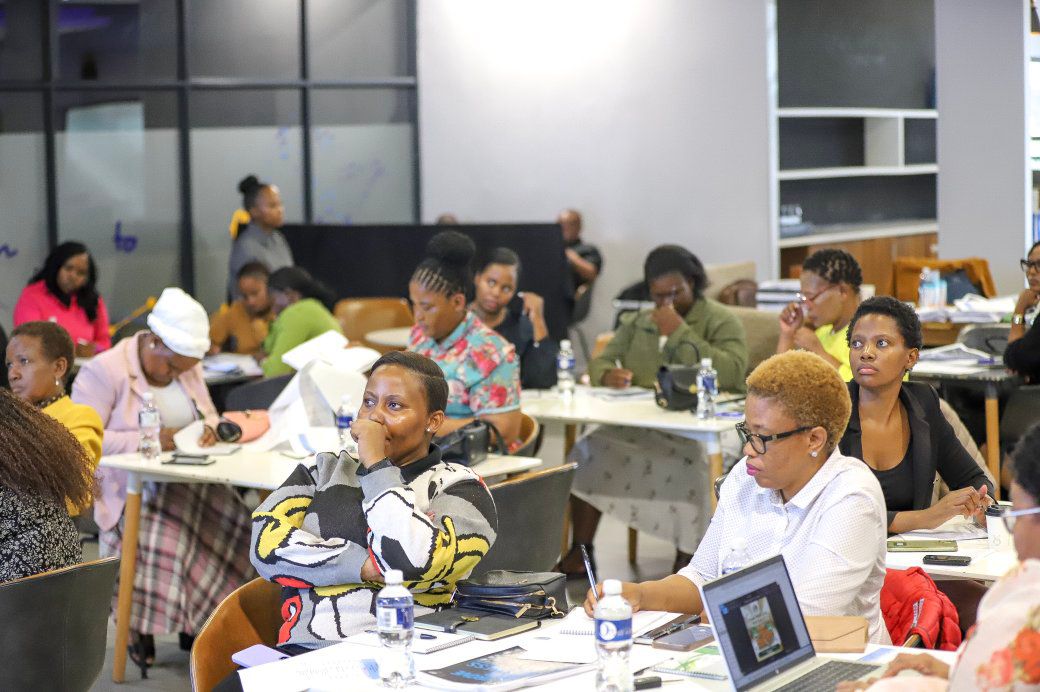
De Beers Botswana, in partnership with Stanbic Bank Botswana, UN Women and the Ministry of Youth and Gender Affairs, is hosting a two-day financial literacy workshop at the Stanbic Bank Incubator in Gaborone aimed at strengthening women-led businesses under the EntreprenHER programme.
Held from April 27 to 28, the training has brought together women entrepreneurs running micro, small and medium enterprises (MSMEs) from Jwaneng, Gaborone and Goodhope. The workshop focuses on practical financial management skills such as budgeting, record-keeping, cash flow planning and improving business decision-making for sustainable growth.
De Beers Botswana External Communications Manager, Tumi Ramsden, said the company remains committed to supporting the growth of small businesses through enterprise development initiatives that help entrepreneurs contribute meaningfully to Botswana’s economy.
She said the company’s sustainability strategy, Building Forever, is designed to create long-term economic opportunities and ensure a lasting legacy beyond mining.
Through the EntreprenHER programme, women-owned MSMEs receive business development support, mentorship and training across sectors including agriculture, fashion, beauty and technical services.
Stanbic Bank Botswana Head of Citizen Economic Empowerment Programmes (CEEP), Kushata Chilisa, said the financial literacy training is addressing a major gap among women entrepreneurs who often have strong business ideas but struggle with managing finances.
She explained that many businesses fail within the first three years because owners lack knowledge in basic financial management such as balancing books, understanding profit and loss statements, preparing balance sheets and separating personal finances from business finances.
Chilisa noted that many women entrepreneurs tend to mix business income with household expenses, which weakens business sustainability.
She said the training is helping participants understand the importance of separating personal and business finances, as poor personal financial management often affects business performance.
She added that the sessions were designed to be practical rather than theoretical, using real-life business examples, simulations and interactive discussions to ensure participants could directly apply the lessons to their enterprises.
Chilisa said the broader EntreprenHER programme also covers marketing, operations and digital business management, with the goal of helping women entrepreneurs become more independent and capable of managing their businesses without relying heavily on external service providers.
She said the initiative aligns with Stanbic Bank’s purpose of driving Botswana’s growth by supporting entrepreneurship, particularly among youth and women.
According to Chilisa, women own a large percentage of micro and small businesses in Botswana, yet opportunities and financial facilities have traditionally been accessed more by male-led enterprises.
She said the programme is part of a deliberate effort to improve women’s inclusion in entrepreneurship, drive job creation and support long-term economic empowerment.
Chilisa also highlighted that the Stanbic Bank Incubator offers free workspace for entrepreneurs from Monday to Friday, allowing them access to a professional working environment, training facilities and business support services. She said the incubator is open to entrepreneurs across Botswana, provided their activities align with enterprise development and innovation.


