


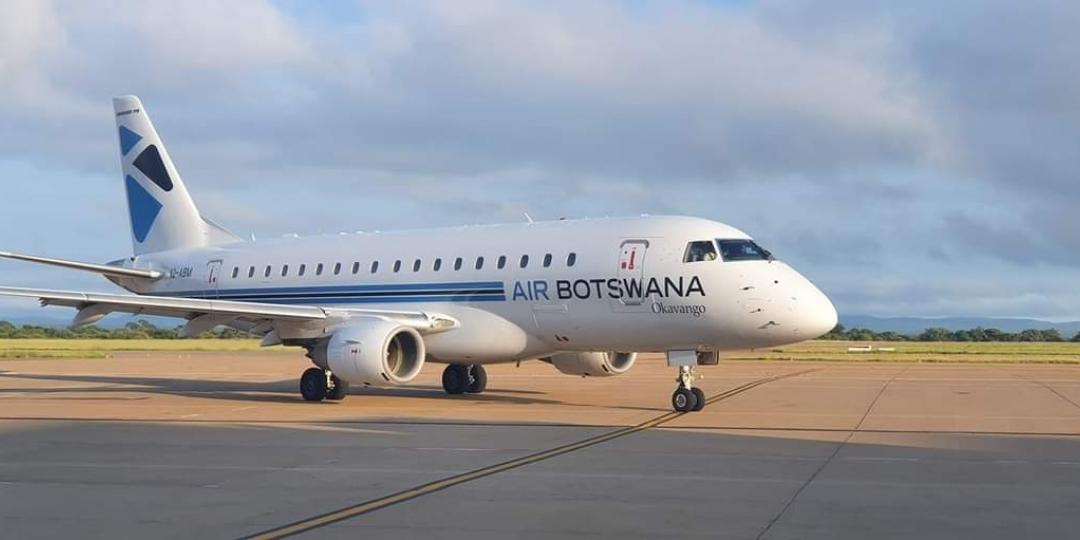
Air Botswana has introduced a temporary fuel surcharge on domestic and regional tickets, effective April 21, 2026, marking a shift from its earlier stance of absorbing rising fuel costs as operational pressures intensify.
The surcharge will apply across all routes and will be listed separately on tickets “for transparency,” the airline said. Tickets issued before the effective date will not be affected. The carrier did not disclose the surcharge amount, but said the move follows a recent increase in local fuel prices.
Air Botswana operates domestic routes linking Gaborone, Francistown, Kasane and Maun, alongside regional services to Johannesburg, Cape Town, Lusaka and Harare. The airline had previously sought to manage fuel exposure by consolidating fuel uplift in Gaborone and supplementing at selected regional airports, while also adjusting flight schedules to improve efficiency and contain costs.
“At this stage, our focus remains on managing costs internally while maintaining reliable operations and protecting the customer experience,” said Malebogo Sesinyi, head of public relations, communications and marketing at the airline, in earlier comments. She had indicated, however, that sustained fuel price increases could necessitate further adjustments.
Across the region, airlines are already passing higher fuel costs on to passengers. In South Africa, domestic air fares have risen sharply, with return tickets on the Johannesburg–Cape Town route increasing from about R2,018 to roughly R4,022 within two months. Fuel surcharges in some cases have climbed from around R167 to more than R830 per segment, while fares on shorter routes such as Johannesburg–Durban have risen by as much as 70 to 85 per cent.
Aviation fuel remains one of the largest cost components for airlines, and its volatility has reduced the ability of carriers to absorb increases internally. As a result, many operators are turning to direct pass-through mechanisms such as surcharges.
Industry concerns are also intensifying. Speaking at the Semafor World Economy Summit in Washington, Nigerian industrialist Aliko Dangote warned that sustained fuel price volatility could have systemic implications for African aviation.
“The majority of African airlines won’t be able to survive,” he said, citing oil price swings of up to $10 per barrel and the sector’s dependence on imported fuel and exposure to currency fluctuations.
His comments come amid reports that some carriers in Nigeria are considering suspending operations as operating costs continue to rise.


