


In Botswana’s evolving economic landscape, meaningful transformation is no longer measured by industrial output alone, it is defined by how businesses uplift the communities and ecosystems in which they operate. Botswana Ash (Pty) Ltd (Botash) stands as a compelling example of this ethos in action, deliberately reshaping its value chain to empower citizen-owned enterprises and foster inclusive, sustainable growth.
At the heart of this commitment is the Botash Business Supplier Development Programme, implemented in partnership with the United Nations Development Programme (UNDP). Launched in 2019 under the Citizen Economic Empowerment Programme (CEEP), the initiative is a structured, performance-driven platform designed to unlock opportunities for local businesses, sharpen their competitiveness, and integrate them meaningfully into the company’s operations.
The programme rests on a three-way partnership model: large corporations as buyers, small and medium enterprises (SMEs) as suppliers, and experienced Batswana business consultants who provide technical guidance. Through a rigorous six-stage development process, SMEs receive targeted support to strengthen governance, improve operational efficiency, and build long-term sustainability. The objective is clear — to create competitive local suppliers, generate employment, and reduce inequality.
For Botash, however, this goes beyond policy. The company actively channels preferential procurement toward citizen-owned enterprises across key sectors, including transport and logistics, tyre services, construction, conveyor belt supply and splicing, welding and fabrication, general maintenance, and steel works.
A Programme Built for Scale
From its inception, the Supplier Development Programme set out to do more than support small businesses, it aimed to build resilient enterprises capable of scaling, creating jobs, and contributing to national economic diversification. Beginning with an initial cohort of 24 citizen-owned businesses, it has since delivered tangible, measurable impact.
That impact is reflected in Botash’s own investment trajectory. Since 2019, programme spend has grown more than twentyfold, rising from P2.3 million to approximately P58.8 million in 2025, a figure that speaks not only to the programme’s success, but to Botash’s sustained commitment to citizen economic empowerment.
A significant portion of this expenditure has been directed toward transport solutions, driven in part by declining rail capacity, which necessitated a strategic shift to road transport. Rather than defaulting to established foreign operators, Botash made a deliberate choice to prioritise citizen-owned transporters, achieving a 70 percent higher allocation compared to foreign-owned competitors for soda ash transportation into South Africa. This approach ensured business continuity while accelerating local enterprise growth, with tonnage moved by citizen-owned providers increasing by 31 percent year-on-year in 2025.
Transforming Businesses, Changing Lives
Behind the statistics are businesses whose trajectories have been fundamentally altered through their partnership with Botash.
GASA Logistics, a wholly citizen-owned company established in 2009, has grown into a key logistics partner, managing the transportation of soda ash from Sua Pan to South Africa since 2020. Through long-term contracts that enabled access to financing, the company significantly expanded its fleet and operational capacity. Today, GASA Logistics employs approximately 85 Batswana and is actively exploring new markets beyond its anchor relationship with Botash.
Amtren Solutions (Pty) Ltd, trading as Nata Tyre Services, tells a similarly encouraging story. Botash’s early support through a letter of intent, was instrumental in helping the company secure land, obtain financing from CEDA, and establish its workshop in Sowa Town. That foundation of credibility has since enabled Nata Tyre Services to broaden its client base and sustain operations through challenging economic conditions.
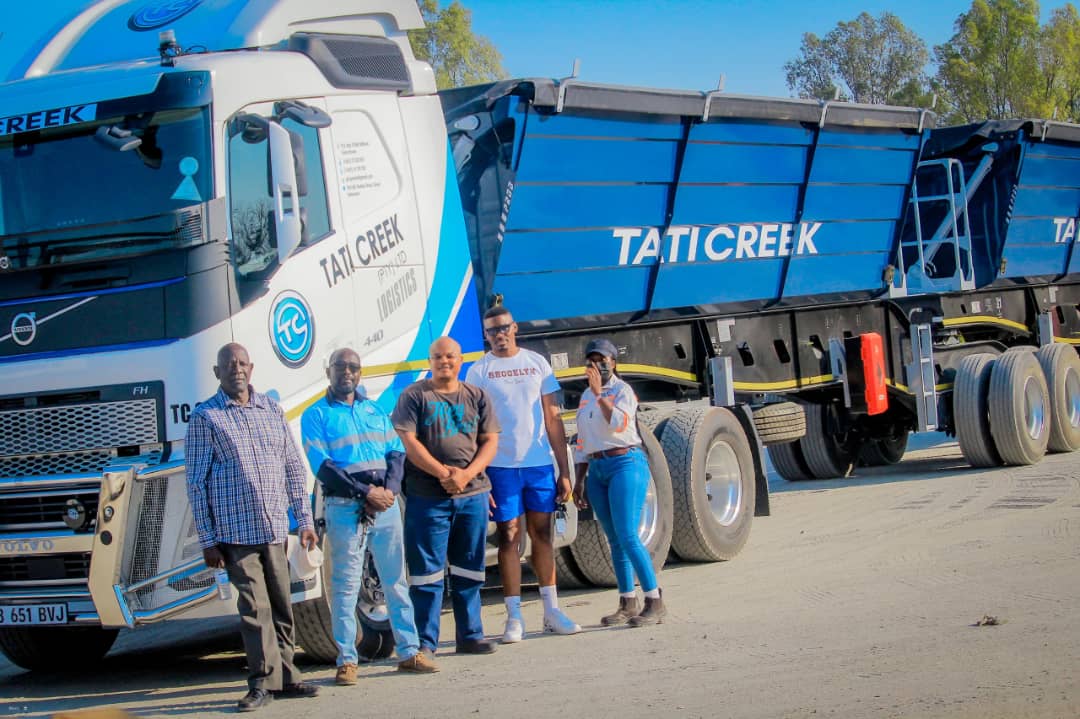
For Tati Creek, a Dukwi-based logistics and construction firm, the journey has been one of steady, purposeful progression. Starting with small-scale assignments, the company expanded into cross-border transportation and grew its fleet from a single truck to four. Today, it not only provides employment but contributes actively to community development — supporting local sports initiatives and housing projects. Exposure through platforms such as the Zimbabwe International Trade Fair and the UNDP programme has further strengthened its growth prospects.
A Model Worth Replicating
The Botash Supplier Development Programme demonstrates that when businesses align commercial objectives with social impact, the results can be genuinely transformative. By investing in local suppliers, Botash is simultaneously strengthening its own supply chain resilience and advancing national priorities through job creation, economic diversification, and citizen empowerment.
This commitment is embedded in a broader procurement philosophy. Since 2019, Botash has consistently maintained local spend above 56 percent, with citizen-owned businesses receiving the majority share. The company’s overall expenditure has now surpassed the billion-pula mark, underscoring both its scale and its economic influence within Botswana.
As the country continues to chart its path toward a more inclusive economy, initiatives such as this offer a practical, scalable model for private sector leadership. For Botash, supplier development is not a peripheral corporate responsibility exercise, it is core business strategy, one that continues to deliver value far beyond the balance sheet.


