


First National Bank Botswana (FNBB) has raised its 2026 economic growth forecast for Botswana to 1.9 percent from 1.5 percent, citing improving diamond activity, better liquidity conditions and expectations of a gradual recovery in credit extension during the remainder of the year.
The revised outlook comes as parts of the economy begin to recover from the contraction recorded in 2025, although FNBB expects growth to remain below 2 percent over the medium term.
FNBB is forecasting growth of 1.9 percent in 2026, easing slightly to 1.8 percent in 2027 before returning to 1.9 percent in 2028.
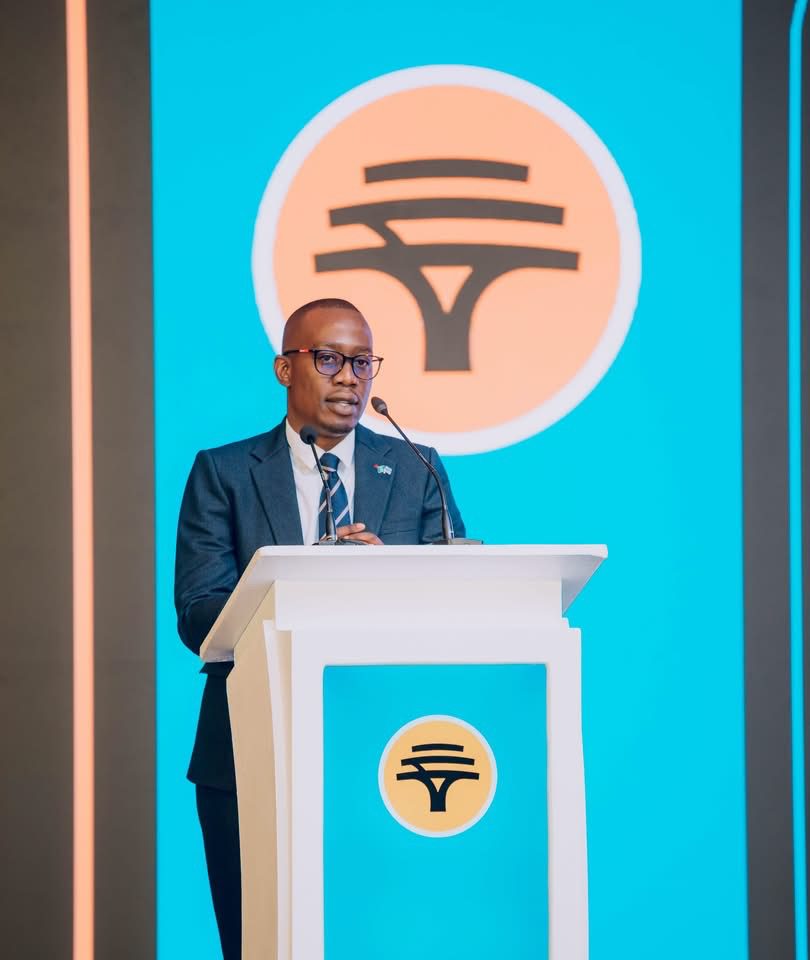
The bank’s Economist, Gomolemo Basele, said structural reforms would nevertheless be necessary to strengthen Botswana’s medium-term growth prospects.
Speaking during FNBB’s full-year results presentation this week, Basele said part of the improved outlook reflected developments in the diamond industry, where inventories have declined and conditions could allow local mining companies to increase production.
“With that, we expect that credit extension over the remainder of the year is just starting to pick up, supporting our growth outlook of 1.9 percent, which was previously 1.5 percent,” Basele said.
He said the improved outlook was also being supported by better liquidity conditions in the domestic financial system.
According to Basele, the improvement has been driven by government borrowing, the return of some pension fund money to the domestic market and other government-related financial flows.
Improved liquidity is also beginning to reduce market funding costs, which Basele said were coming down from the elevated levels experienced over the previous year and a half.
The development is significant for credit conditions after a period in which expensive funding and high interest rates discouraged both banks and borrowers from aggressively extending or taking on new debt.
FNBB itself reported that customer advances declined during its financial year ended June 2026, citing weak credit demand and high funding costs.
Basele said the expectation was that improving liquidity and funding conditions would gradually support stronger credit extension, providing additional support to economic activity.
The recovery, however, is expected to remain modest, with FNBB forecasting growth below 2 percent over the medium term. Basele said structural reforms would be needed to support diversification and improve the country’s growth prospects.
He identified manufacturing as one of the areas requiring greater development, including processing, assembly and the production of goods.
Financial services and digitalisation are also expected to play a larger role, particularly in directing finance towards small and medium-sized enterprises and large-scale project development.
Basele said skills development would also be necessary to support the industries Botswana is seeking to build as part of its economic diversification drive.
“In terms of also being able to successfully deliver some of these structural reforms, we’d expect that some skills will also need to be adjusted to allow for this growth to take root in certain industries,” he said.
FNBB also sees opportunities emerging from developments in the utilities sector, particularly the commissioning of new power-generation projects.
Basele said increased domestic electricity production could help lower production costs and support the expansion of sectors such as manufacturing over time.
However, the improved growth outlook comes against a difficult inflation environment. Basele said higher international oil prices had increased costs across the economy, with the impact extending beyond fuel to transportation, food and other goods and services.
In his presentation, he said the impact of higher costs differed across sectors, although price pressures had become widespread.
Agriculture and manufacturing are among the sectors more directly exposed to increases in fuel and transport costs, while businesses across the economy are also affected through higher import and distribution expenses.
Basele nevertheless expects inflation to moderate as oil prices gradually normalise, although he warned that the path could remain uneven if geopolitical tensions persist.


