


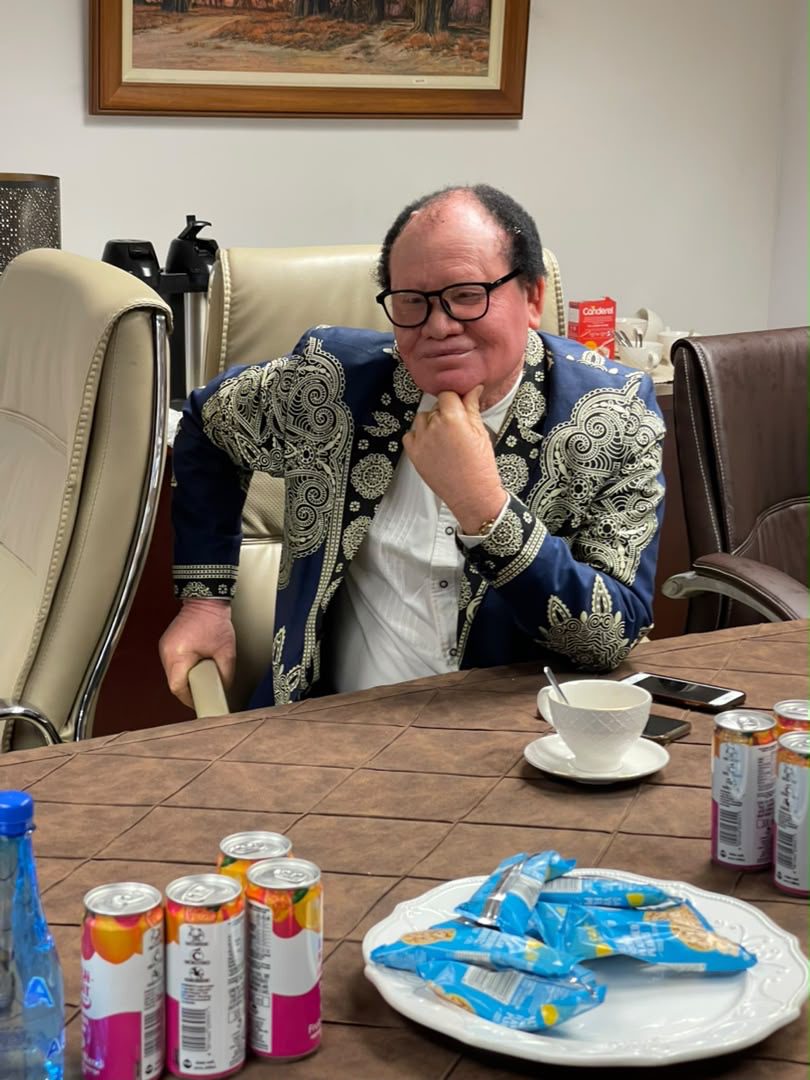
The Maize and Wheat Millers Association (MWMA) is embarking on a series of media tours of Botswana’s leading milling facilities to provide stakeholders with a first-hand appreciation of the critical role the industry plays in national food security, economic development, citizen empowerment and industrial growth. The Tour was for the Bokomofactory.
The tours took members of the media behind the scenes of some of the country’s largest milling operations, showcasing the scale of investment, technology, infrastructure, skills development and operational excellence required to ensure a reliable supply of staple food products to Batswana.
The initiative comes at a time when food security has become an increasingly important national conversation, driven by global supply chain disruptions, climate pressures and growing concerns around agricultural productivity and food system resilience.
MWMA Chairman, Sir Wonder Masebola, said the public often sees the finished product on supermarket shelves but rarely gets the opportunity to understand the extensive systems and investments that make food availability possible.
“Food security is not built in supermarkets. It is built through the combined efforts of farmers, transporters, millers, retailers and policymakers working together to ensure that every Motswana has access to essential food products. These tours are about providing visibility into an industry that quietly supports the nation every day.”
The milling industry remains a key pillar of Botswana’s food ecosystem, serving as the bridge between agricultural production and consumer demand. Through significant investments in infrastructure, storage facilities, logistics networks, quality assurance systems and manufacturing technology, millers play a vital role in maintaining a stable and reliable food supply.
The tours will also highlight the industry’s contribution to citizen empowerment and skills development, with hundreds of Batswana employed across technical, engineering, quality assurance, logistics, administration and management functions.
“When people think about milling, they often think about machines and products. What they do not always see is the depth of citizen expertise behind these operations. Across our member companies, Batswana are acquiring specialised skills, managing sophisticated technologies and building careers in one of the country’s most important manufacturing sectors,” said Masebola.
The Association also reaffirmed its commitment to supporting local agriculture. Grain produced locally currently contributes approximately 10 percent of national demand, with millers absorbing all locally available production while continuing to support farmers through various market access and logistics initiatives.
“Every tonne of grain produced locally matters. Our industry remains committed to supporting Botswana’s farmers because stronger agriculture translates into stronger food security, stronger rural economies and greater national resilience.”
Beyond food production, the milling sector contributes significantly to Botswana’s economy through employment creation, local procurement, tax contributions, transport services, manufacturing investment and broader value chain development.
Masebola noted that the tours are intended to foster greater public understanding of the strategic importance of the industry and the role it plays in safeguarding Botswana’s future.
“The story of milling is ultimately the story of national resilience. These facilities represent decades of investment, innovation and commitment to Botswana. They are not simply factories; they are part of the infrastructure that feeds our nation, supports our economy and contributes to our long-term development.”
As Botswana continues to pursue greater economic diversification and food system resilience, MWMA believes stronger public awareness and stakeholder engagement will be essential in supporting policies and investments that strengthen the entire agricultural and food value chain.


