


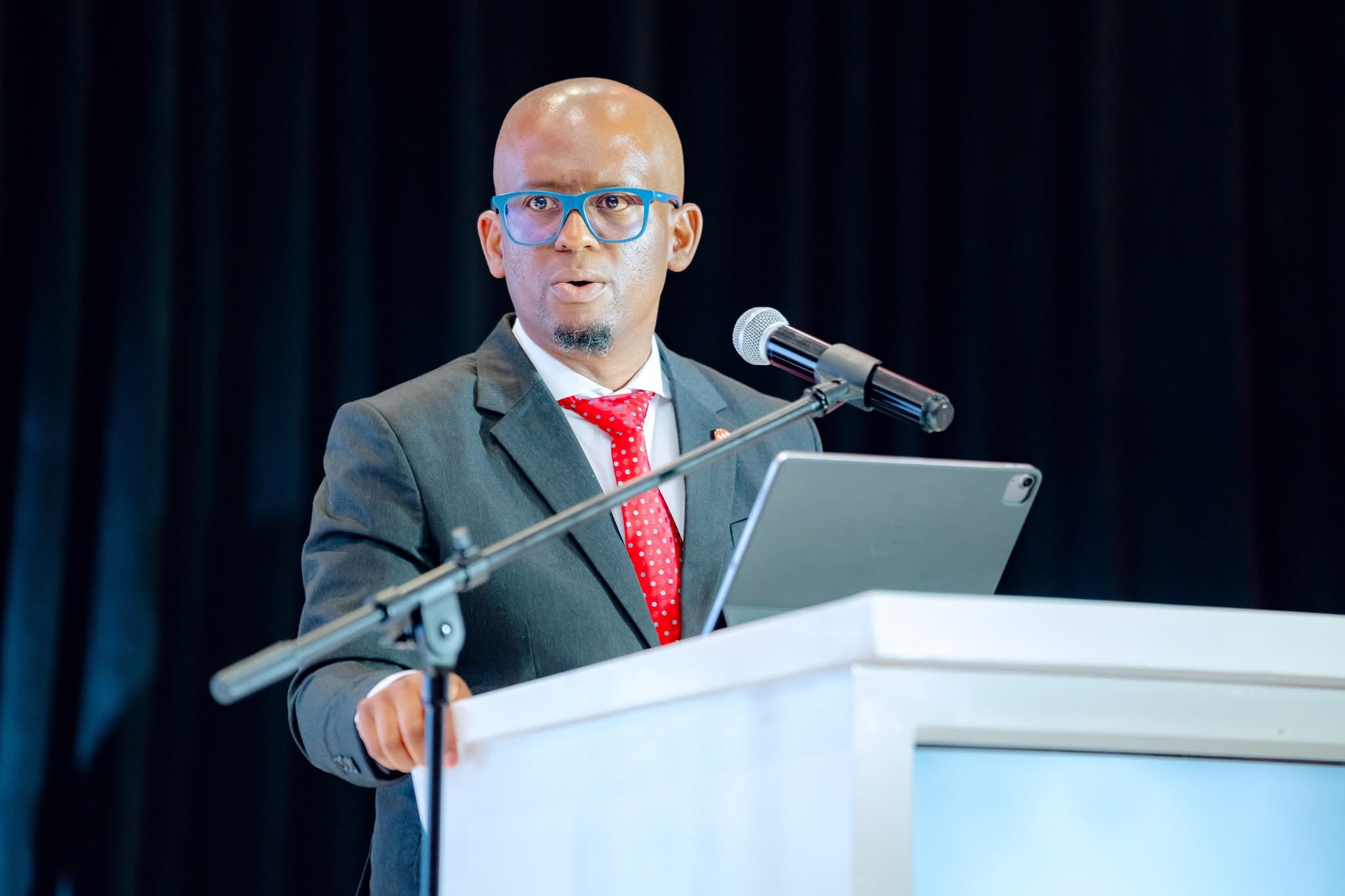
Resilience has helped Botswana weather economic storms, but it cannot remain the country’s long-term ambition.
That was the message delivered by Bank Gaborone Managing Director Tsaone Raboloko as he closed the bank’s business roundtable, themed Road to Recovery, Reinvention and Growth: What Next?
“You can only be resilient for so long,” Raboloko said. “At some point you need to snap out of it; you need to get on with things.”
According to Raboloko, the theme was deliberately chosen to reflect the next phase of the country’s economic journey. While last year’s discussions focused on resilience, this year’s conversation needed to look beyond survival and towards growth.
“We cannot continue to wear our challenges as badges of honour,” he said. “We cannot continue to celebrate our ability to cope with challenges year after year.”
“There really comes a moment where resilience must give way to transformation.”
He argued that Botswana’s aspirations cannot be limited to enduring adversity or waiting for diamond markets to recover.
Instead, the country must begin focusing on what it can do differently, what barriers it can remove and what opportunities it can unlock to deliver sustainable economic growth.
Raboloko said Botswana needed to confront the obstacles that continue to hold back businesses, investment and expansion.
“This country cannot go forward without that growth,” he said.
Growth Requires Collaboration
One of the strongest messages to emerge from the day-long discussions, Raboloko said, was the importance of collaboration.
For Botswana to achieve meaningful economic transformation, government, state-owned enterprises, industry associations and the private sector must work together rather than in isolation.
The Botswana Manufacturers and Exporters Association, for example, would need to continue engaging government on issues affecting competitiveness, while businesses would need to work closely with entities such as the Botswana Power Corporation to secure critical infrastructure support.
“We need to work together. We cannot do it on our own. We cannot operate in silos,” he said.
“The road to recovery and sustainable growth will require all of us to play our part.”
Raboloko said the government’s responsibility is to create an enabling and supportive environment for business.
At the same time, businesses have their own responsibility to become more productive, more competitive and more ambitious.
He challenged the private sector to think beyond Botswana’s borders and position themselves for opportunities in regional and international markets.
“If Botswana must become an export-led economy, what are businesses doing, and how are they readying themselves to export?” he asked.
Bank Gaborone, he said, is willing to play a role in helping businesses realise those ambitions.
“Dare us to facilitate your growth, dare us to help you grow, to grow in Botswana and to grow outside Botswana,” Raboloko said.
From Conversation to Execution
While collaboration and ideas are important, Raboloko warned that they are not enough.
The country’s biggest challenge, he suggested, may not be a shortage of ideas but a shortage of execution.
“Ideas, commitments and rhetoric do not change the world,” he said.
“We all wish they did, but they simply do not.”
“Action changes the world. What we do when we leave this room today will change this country and will change the world.”
For Raboloko, that is what makes forums such as the Bank Gaborone roundtable worthwhile.
Their value lies not in the discussions themselves, but in what happens after participants leave the room.
He expressed a desire for the conversations to translate into practical outcomes: stronger partnerships, better decisions and measurable progress.
Most importantly, he said, they must lead to action.
“The truth is, as Botswana, we are often criticised, and rightly so, deservedly so,” he said.
“We are criticised for being good talkers and good benchmarkers.”
“We consult and we consult and we over-consult, but with no execution to show for it.”
Laced with humour, his closing challenge was simple – Execute.Take action. Grow beyond comfort.
When Botswana Grows, We Grow
Raboloko said the themes discussed throughout the day resonate strongly within Bank Gaborone itself.
Like many businesses operating in the country, the bank is pursuing growth ambitions of its own.
Yet, he noted, growth cannot remain an aspiration. It must be demonstrated through tangible results.
As the bank challenges government and the private sector to make difficult decisions and accelerate implementation, it is placing the same expectations on itself.
“The country looks to grow. Bank Gaborone is also looking to grow,” he said.
“Because the truth is, when Botswana grows, we grow. When you, our clients, grow, we also grow. When this country succeeds, we also succeed.”
He said Bank Gaborone intends to remain closely aligned with whatever drives Botswana’s next phase of growth.
Whether that growth comes from mining, energy, tourism, manufacturing, exports or emerging industries, the bank intends to support businesses operating in those sectors.
“Whatever comes next, Bank Gaborone will be there next to it, next to our clients,” he said.
For Raboloko, the challenge now is no longer about proving Botswana can survive difficult periods.
The challenge is proving that it can transform, compete and grow.
And that, he argued, will depend not on resilience alone, but on what the country chooses to do next.


