


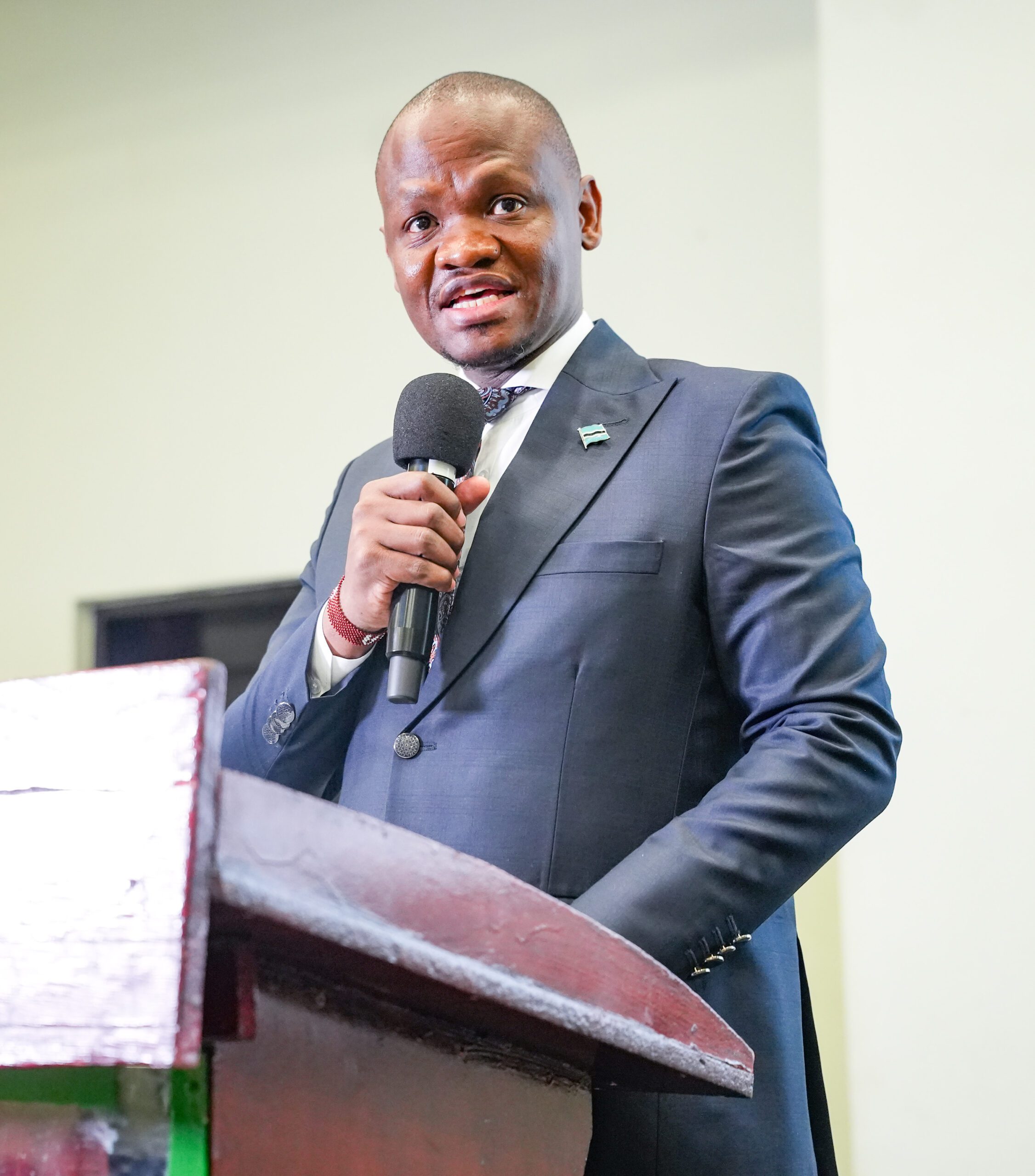
Botswana has called for stronger integration of social protection systems and inclusive climate action to protect vulnerable communities from escalating climate-related risks across Sub-Saharan Africa.
The call was made by the Minister of Lands and Agriculture, Dr Edwin G. Dikoloti, who delivered the opening remarks at the Regional Training Workshop on Integrating Social Protection Systems with Inclusive Climate Action in Sub-Saharan Africa in Gaborone on Monday.
Dikoloti said climate change was intensifying existing vulnerabilities, threatening livelihoods, food security and economic stability, particularly among households dependent on rain-fed agriculture and livestock farming.
He highlighted concerns surrounding the developing El Niño phenomenon, which is expected to influence rainfall patterns in Southern Africa during the 2026/2027 rainy season. Botswana faces risks associated with below-normal rainfall, prolonged dry spells and above-average temperatures, potentially affecting agricultural production, water security and livelihoods.
Dikoloti said integrating social protection with climate action could help vulnerable households withstand climate shocks while strengthening their capacity to adapt to changing environmental conditions.
He called for closer coordination among institutions responsible for social protection, climate action, disaster risk management and agriculture, emphasising the need for people-centred approaches that protect livelihoods and ensure no one is left behind.
The workshop brings together policymakers and practitioners from across Sub-Saharan Africa to exchange experiences and explore practical approaches to incorporating climate considerations into social protection policies, programmes and financing strategies.
Participants will also learn about Botswana’s Ecosystem-Based Adaptation and Mitigation in Communal Rangelands project, co-financed by the Government of Botswana and the Green Climate Fund.
The workshop is supported by the Food and Agriculture Organization of the United Nations, the Social Policy Research Institute and the Government of Ireland.


