


Economists, manufacturers, policymakers, energy executives and bankers say Botswana’s next phase of growth depends on stronger local industry, reliable infrastructure, bankable investments and a greater focus on execution (BLURB)
Diamonds may have lifted Botswana’s headline growth figures, but they have done little to change conditions in much of the real economy.
That was one of the key messages emerging from the second Bank Gaborone Insights and Impact Roundtable, where economists, policymakers, business leaders and financiers argued that the country’s next phase of recovery would depend on strengthening the non-diamond private sector and accelerating economic transformation.
Held under the theme Road to Recovery: Reinvention and Growth, What Next?, the roundtable brought together government officials, manufacturers, energy sector leaders, economists and bankers to examine what Botswana must do to move from recovery to sustainable growth.
While the perspectives differed, the conclusion was broadly the same: resilience alone will not be enough.
Look Beyond The Headline Numbers
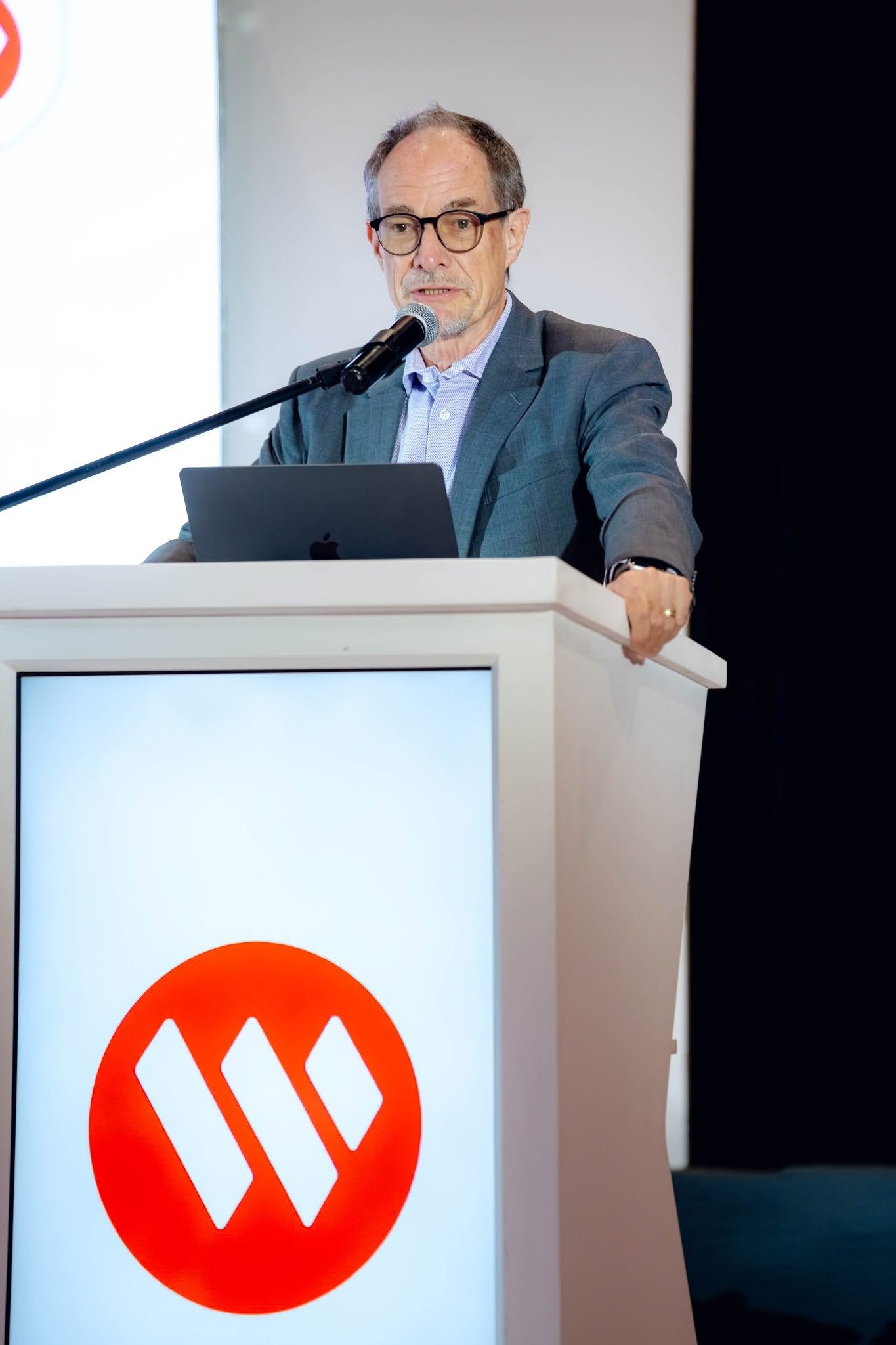
Setting the economic context, economist and former Bank of Botswana deputy governor Keith Jefferis cautioned against relying too heavily on headline GDP figures when assessing the health of the economy.
Although Botswana recently recorded quarterly GDP growth of 8.7 percent, Jefferis noted that much of the increase was driven by fluctuations in diamond production.
He argued that the more important indicator is the performance of the non-diamond private sector, which accounts for almost two-thirds of the economy but most recently grew by only 1.6 percent.
“If diversification is going to take place, it is this part of the economy, the non-diamond private sector,” he said.
Jefferis also highlighted the impact of high borrowing costs on businesses, noting that credit growth had contracted by nearly 3 percent over the past year.
Although declining government borrowing rates and improved liquidity could provide some support, he warned that inflation remained a concern and could approach 10 percent by year-end.
The message was clear: while the headline numbers suggest recovery, many businesses and households are yet to feel it.
From Policy To Execution
If the economy’s challenges are well understood, speakers argued that the focus must now shift to implementation.
Senior Policy Advisor at the Ministry of Finance Naledi Madala said the Botswana Economic Transformation Programme (BETP) presents an opportunity to move beyond policy discussions and focus on projects that can attract investment and deliver results.
“What BETP allows us to do is to move away from theory of this is what needs to happen, move into the trenches of execution and will continue to cross-correct as we move forward,” she said.
Madala also stressed the importance of greater private-sector participation in national development.
Her comments reinforced one of the recurring themes of the roundtable: government, financiers and businesses must work together if investment opportunities are to translate into economic activity.
Make It In Botswana, Believe In Botswana
For Mmantlha Sankoloba, Chief Executive Officer of the Botswana Exporters and Manufacturers Association (BEMA), the route to recovery lies in strengthening domestic manufacturing.
“Manufacturing is the only thing that can recover this country if ever there is anything that we are recovering from, or rather it is the only thing that can create an economic activity for our country and create sustainable revenue,” she said.
Sankoloba argued that Botswana’s dependence on imports remains a major obstacle to industrial development.
She said many products imported into Botswana can be produced locally, yet local businesses often struggle to secure sufficient support from both consumers and institutions.
According to her, the challenge extends beyond economics.
It is also about confidence.
Recovery, she suggested, will require Batswana to believe in and support the products made by local businesses.
The discussion also highlighted familiar constraints facing manufacturers, including access to appropriately structured finance, industrial land and rising operating costs.
Power First, Then Investment
Reliable energy infrastructure was identified as another prerequisite for economic growth.
Mogomotsi Kebitseng, General Manager for Generation at Botswana Power Corporation, described electricity as one of the most important enablers of investment.
“No investor would want to come and put money where there is no reliability of electricity. You have to put the power first,” he said.
Participants noted that improvements in transmission infrastructure have already helped unlock mining activity in north-western Botswana.
The wider lesson, they argued, is that investment follows infrastructure.
Without reliable power, businesses cannot produce efficiently, and without production, growth becomes difficult to sustain.
Capital Follows Confidence
The discussion then turned to the financing required to support business growth.
Bank Gaborone Head of Wholesale Banking Nchidzi Chakalisa said businesses are increasingly seeking working-capital facilities as longer cash-conversion cycles place pressure on liquidity.
“There is more demand for working capital financing,” he said.
“We have stayed close with our clients in terms of just easing their working capital gaps.”
Chakalisa said opportunities remain available across sectors including agriculture, energy and non-diamond mining.
However, he noted that access to finance ultimately depends on the quality of opportunities presented.
For projects to attract funding, they must demonstrate clear cash flows, sound governance and sustainable business models.
“Recovery finance is available,” he said. “The only thing is that capital obviously follows confidence, and that confidence comes from bankable business models.”
Participants also discussed the potential for stronger collaboration between commercial banks, development-finance institutions and asset managers to create financing structures suitable for businesses at different stages of growth.
From Resilience To Transformation
Bringing together the day’s discussions, Bank Gaborone Managing Director Tsaone Raboloko argued that the greatest challenge now is turning good ideas into action.
“There really comes a moment where resilience must give way to transformation,” he said.
Raboloko challenged businesses to become more competitive and ambitious, particularly in pursuing export opportunities beyond Botswana’s borders.
For Bank Gaborone, he said, the purpose of the roundtable extends beyond discussion.
It is intended to create practical connections between businesses, investors and decision-makers, while identifying opportunities that can translate into growth.
In closing, he reiterated that economic transformation cannot be achieved through conversation alone.
“Ideas alone and commitments and rhetoric do not change the world. Action changes the world,” he said.
“When Botswana grows, we grow. When our clients grow, we also grow. When this country succeeds, we also succeed.”
The collective message from the roundtable was unmistakable. Botswana has opportunities for recovery, reinvention and growth.
But turning those opportunities into results will require stronger local industries, reliable infrastructure, investment-ready projects, greater collaboration and, above all, a willingness to move from discussion to execution.


