


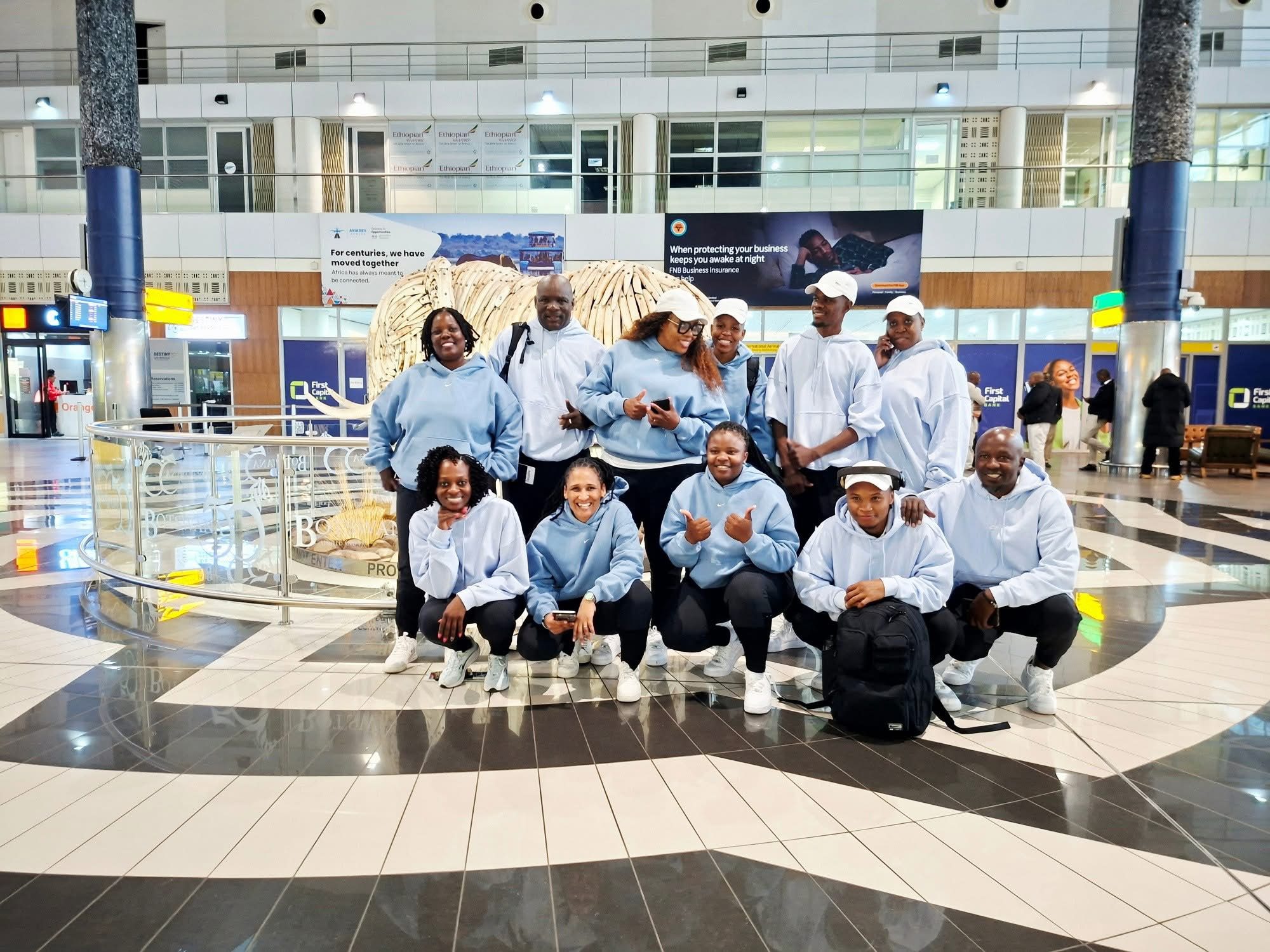
Botswana is targeting seven medals at the 2026 Commonwealth Games in Glasgow, banking on a new generation of athletes to deliver success despite the absence of some of the country’s biggest sporting stars.
The ambitious target comes as Botswana prepares to compete without Olympic 200-metre champion Letsile Tebogo and fellow sprint standout Collen Kebinatshipi, who have been rested as part of efforts to manage their workload ahead of future global championships.
The Games, scheduled for July 23 to Aug. 2 in Scotland, will bring together about 3,000 athletes from 74 Commonwealth nations competing across 10 sports and six para sports in a streamlined 10-day event.
Botswana will participate in athletics, boxing, judo, swimming and lawn bowls, with officials insisting the team selected for Glasgow has the depth and ability to challenge for medals.
Team Chef de Mission Tebogo Ntesang said preparations had progressed well, with athletes entering residential camp on July 1 before their departure for Scotland on July 13.
“Our team is ready,” Ntesang said.
“Right now we are on camp since July 1, and that will continue until we leave on July 13.”
Unlike previous Commonwealth Games, Glasgow 2026 will not feature a traditional athletes’ village. Teams will instead stay in hotels and travel according to their competition schedules.
Ntesang said the new arrangement required careful planning, with athletes expected to arrive in Scotland about eight days before their events to allow time for acclimatisation.
“This edition is different in terms of logistics because teams will leave according to their competition schedules,” she said.
“They will be staying in hotels rather than athletes’ villages as has been the case in previous Games. Once each team has completed its programme, it will return home.”
Despite the absence of Tebogo and Kebinatshipi, Ntesang said Botswana remained confident that the seven-medal target was achievable.
“We have set ourselves a target of seven medals,” she said.
“Some people doubt that because we do not have star athletes like Letsile Tebogo and Collen Kebinatshipi, who are committed elsewhere. But we believe it is achievable. We have other strong athletes who can deliver, and this also gives others an opportunity to prove themselves.”
Botswana’s athletics challenge will be led by Prince Phaezel Selepe in the 100m and 200m, Tshepiso Masalela in the mile, Justice Oratile in the 200m and Kemorena Tisang in the 400m hurdles.
The team also includes experienced competitors in the 400m and 800m events, as well as rising talent in field events.
In boxing, Commonwealth medallist Lethabo Bokamoso Modukanele will compete in the 51kg division alongside Treasure Nature Moremi (60kg) and Keatlaretse Gift Modise (54kg).
The judo team includes Botho Babutsi (-48kg) and Tumiso Phuthego (-60kg), while swimming representatives are Adrian Robinson in the 50m and 100m breaststroke and Maxine Catlin Egner in the 50m and 100m freestyle.
Botswana will also compete in lawn bowls with a six-member squad featuring Boikhutso Mooketsi, Modisaotsile Mphotho, Gaoromelwe Pelemo, Sebathu Chinky Sinombe, Charles Diteko and Kaizer Geche.
The seven-medal target was first announced during the official team unveiling, where Botswana National Olympic Committee official Tshepo Sitale rejected suggestions that the country was treating the Commonwealth Games as a secondary event because of the absence of some elite athletes.
“The Commonwealth Games are major games and we take them seriously; hence, we have given them the best team that we can,” Sitale said.
“Our target is to have seven medals at the Games and we believe we are on course to achieve that based on the performances of our athletes.”
Sitale said Botswana’s Commonwealth record supported the target, pointing to the country’s strongest showing at the 2018 Gold Coast Games in Australia.
“At the last Commonwealth Games we won two medals, one of them through Lethabo Modukanele, who is part of this team,” he said.
“We believe she will improve with experience, and we have a formidable team across the different sporting codes.”
The decision to leave out Tebogo, Kebinatshipi and other leading athletes has remained one of the biggest talking points ahead of the Games.
Botswana Athletics Association chief executive officer Mabua Mabua said the decision was based on athlete welfare and not a lack of commitment to the Commonwealth Games.
He said the original selection process had included the country’s leading athletes, but concerns about workload and injury risk influenced the final decision.
“There was a stage when their fitness was questionable,” Mabua said.
“Considering their demanding competition calendar, which runs until September, and after engaging with their coaches and managers, we decided not to overload them in order to minimise the risk of injury.”
Botswana’s Minister of Sport and Arts, Jacob Kelebeng, said he initially questioned the absence of the country’s biggest names but accepted the explanation from coaches and managers.
“I was not happy with the athletes’ absence from the team,” Kelebeng said.
“During those discussions, they explained the importance of reducing their workload and allowing them adequate rest as part of preparations for next year’s World Championships and the 2028 Olympic Games.”
The issue has also revived debate over whether professional athletics now provides greater incentives than national representation.
Kelebeng acknowledged that Botswana may need to review its athlete reward system to ensure top performers remain available for major international events.
“We are currently reviewing our incentives policy,” he said.
“While our incentives are not bad, it is important that we reflect as we prepare for major competitions and perhaps mobilise additional resources so that athletes prioritise major games that are of national interest.”
As Botswana heads to Glasgow, officials believe a combination of experienced competitors and emerging talent can deliver one of the country’s strongest Commonwealth Games performances — with the seven-medal target representing both an expectation and a statement of ambition.


