


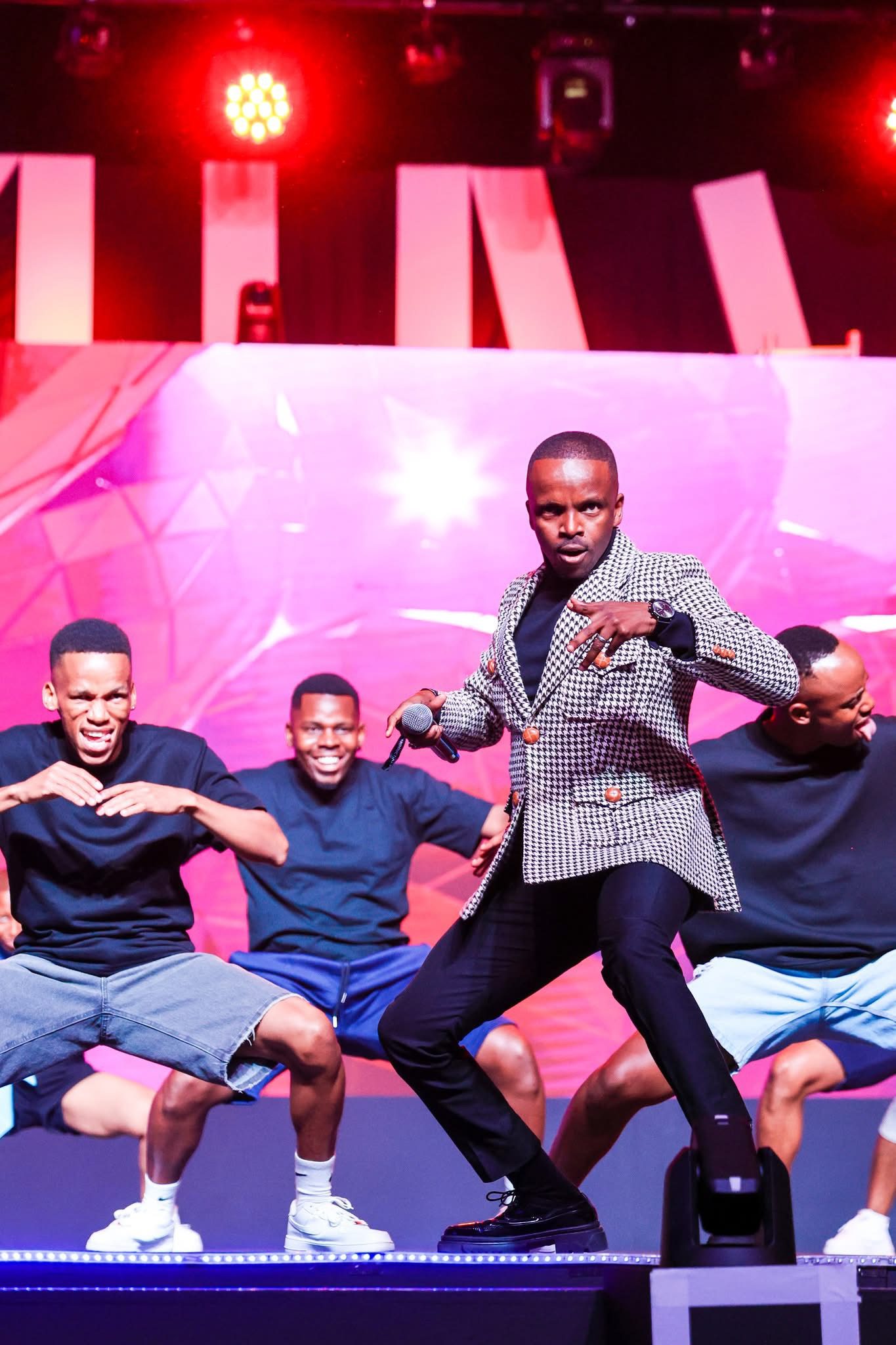
Botswana’s creative sector does not lack talent. It lacks the structures, investment and commercial infrastructure needed to turn that talent into sustainable businesses, internationally recognised brands and a meaningful contributor to GDP.
Botswana has a talent problem only if we choose to ignore the real issue. The country has musicians, dancers, actors, filmmakers and creative entrepreneurs with the potential to compete internationally. What it lacks is a sufficiently developed entertainment industry capable of turning that creativity into sustainable commercial success.
Mophato Dance Theatre, Seeretsi and the Natives, Cultural Spears, Tefo Paya and the late ATI have demonstrated, in different ways, that Botswana possesses exportable talent and a rich cultural identity. Their work reminds us that our music, dance, storytelling and artistic expression can reach audiences beyond our borders.
The question, therefore, is not whether Botswana has talent. It is why the country has struggled to build an industry that consistently develops, finances, markets and exports it.
Botswana does not simply need more entertainment. It needs the structures that make entertainment profitable.
In established entertainment markets, artists operate within networks of record labels, talent agencies, production studios, distributors, streaming platforms, investors, copyright administrators and event promoters. These businesses perform specialised functions, allowing creative professionals to concentrate on their craft while commercial partners develop their careers and monetise their intellectual property.
In Botswana, much of this responsibility falls on the artists themselves. They must finance productions, organise marketing, negotiate bookings, pursue sponsorships and navigate copyright and royalty arrangements. Many lack the capital and professional support needed to compete internationally.
This is the missing link: an industrial value chain that takes a creative idea from production to distribution, audience development and multiple revenue streams.
A successful song, for example, should generate more than performance fees. It can earn royalties, attract licensing opportunities, feature in advertising campaigns and generate merchandise sales. Similarly, a dance production can tour internationally, attract tourism partnerships and develop into a commercially viable cultural experience.
Without businesses that facilitate these opportunities, creative success often remains temporary, and the wider economy loses out on the value that could have been created.
South Africa demonstrates what becomes possible when creative industries receive sustained institutional attention, research, investment and market development. The South African Cultural Observatory’s 2025 capstone findings estimate that the country’s cultural, creative and sports industries contributed approximately R271 billion to GDP in 2023, equivalent to about 3.9 percent of the economy. The broader ecosystem supports employment across production, design, media, performance and related services.
Nigeria offers another compelling example. Nollywood and Afrobeats have built international audiences by combining a distinctive cultural identity with production businesses, distribution networks, commercial partnerships and digital platforms. According to the US International Trade Administration, Nigeria’s film and music sectors contributed approximately ₦1.97 trillion, or US$1.4 billion, to GDP in 2023.
Meanwhile, the American film and television industry illustrates the scale of the economic opportunity. The Motion Picture Association reported that the sector supported 2.01 million jobs and paid US$202 billion in wages in its latest 2026 economic summary, based on industry data. Its impact extends to local businesses, tourism, exports and tax revenue.
These countries did not build their entertainment industries through talent alone. They developed businesses, professional networks, distribution systems and policies that allowed creative work to become a commercial product.
Botswana need not replicate Hollywood or Nollywood. It must, however, learn from the structures that have helped these industries grow.
Botswana’s entertainment industry should be treated as an economic sector with the potential to create employment, diversify revenue and contribute to GDP.
Beyond performers, a functioning industry creates opportunities for sound engineers, lighting technicians, videographers, publicists, costume designers, event managers, marketers, lawyers, accountants and production crews. Film productions can generate business for hotels, transport operators, catering companies and equipment suppliers. International performances can attract visitors, while locally produced content can generate export earnings.
The opportunity is particularly relevant as Botswana seeks to diversify its economy. Creative products can be sold repeatedly across markets without requiring the same physical resources as many traditional industries.
However, Botswana must establish reliable data to measure the sector’s current contribution and track its growth. The potential is substantial, but realising it will require investment, commercial discipline and measurable outcomes.
Government has a critical role to play in creating the conditions for the industry to develop. This does not mean the state must own every production company or finance every artist. Rather, it must establish an enabling environment in which creative businesses can emerge, attract investment and compete.
This includes developing a comprehensive creative-industry strategy, improving access to finance, strengthening copyright enforcement, supporting professional training and creating incentives for film and television production. It also means facilitating partnerships between local creators, international distributors, broadcasters and investors.
Government can help establish or strengthen mechanisms to measure the sector’s economic contribution, develop export markets and support participation in international festivals, trade fairs and entertainment markets.
Just as importantly, support must extend beyond individual artists to the entrepreneurs building the industry’s infrastructure. Botswana has individuals with ideas for talent agencies, production companies, digital platforms and other creative businesses. Their challenge is often accessing the capital, strategic partnerships and commercial support needed to turn those ideas into viable enterprises.
The private sector must also play its part. Banks, telecommunications companies, tourism businesses and other corporates should look beyond one-off sponsorships and consider long-term investments in content, intellectual property and creative enterprises.
Botswana has already demonstrated that its talent can command attention. The challenge is to build a system that enables more artists to follow that path, earn sustainable incomes and establish internationally recognised brands.
We must move beyond celebrating individual achievements and begin measuring progress by the strength of the businesses surrounding our creatives. Can artists access professional management? Can producers secure financing? Can local content reach international markets? Can intellectual property generate income long after its initial release?
These are the questions that will determine whether entertainment becomes a sustainable economic sector or remains a collection of isolated successes.
Talent can put Botswana on the international stage, but structures are what will keep it there.
The next chapter of Botswana’s entertainment industry will depend on whether government, investors and creative entrepreneurs are prepared to build the institutions and commercial networks needed to turn potential into lasting economic value.
The talent is here. The opportunity is here. What remains is the collective will to build the industry around it.
Dumisani Ncube is a Strategic Marketing and Communications Specialist with extensive experience working with leading local and international brands.


