


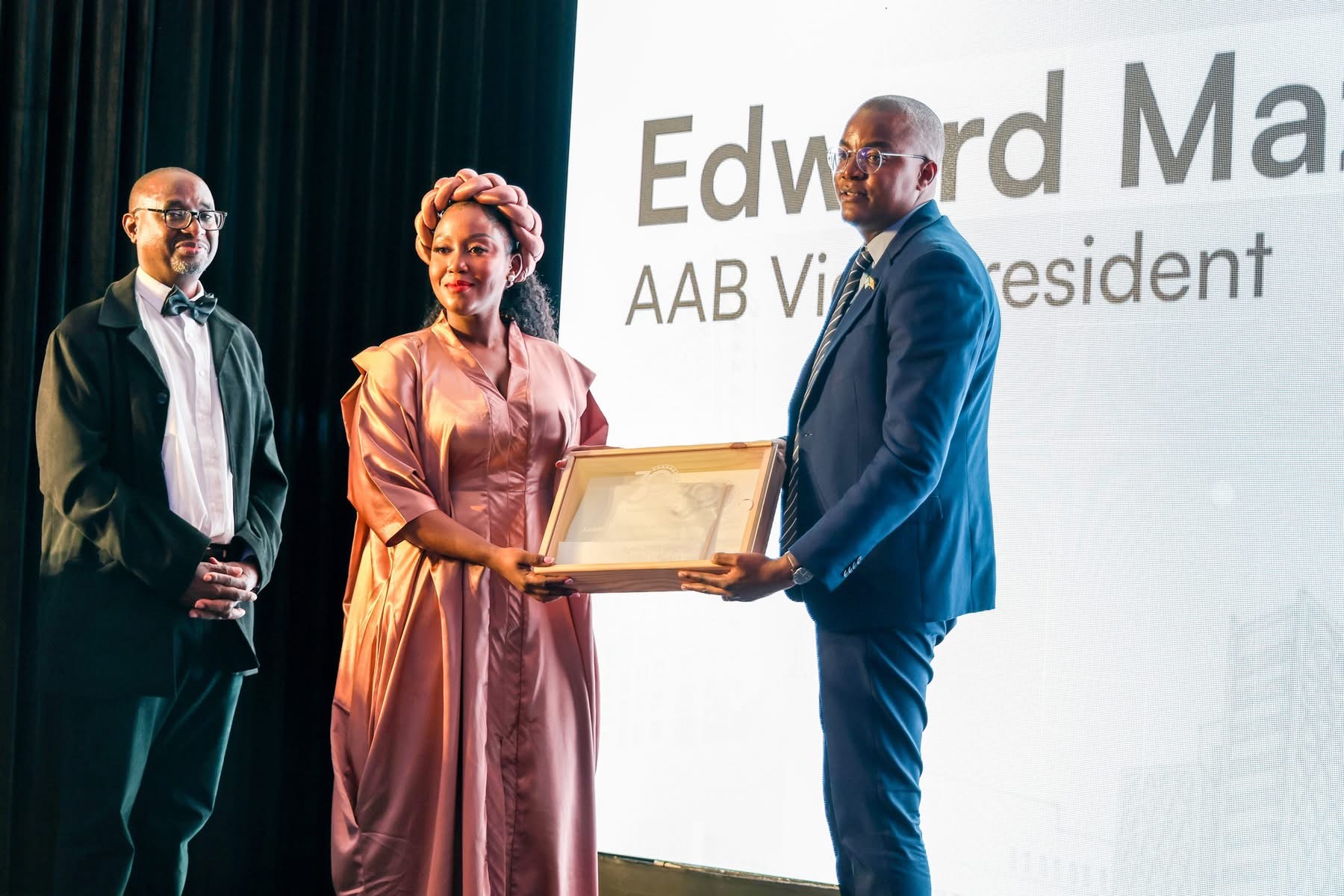
The Architects Association of Botswana (AAB) on Thursday night celebrated 30 years of existence with a cocktail dinner in Gaborone, bringing together government officials and players in the built environment.
The event, officiated by Acting Minister of Transport and Infrastructure Keoagile Atamelang, also saw the launch of a commemorative book showcasing some of the country’s standout architectural projects designed by local architects over the years.
AAB president Thandeka Palai said the milestone was not just about celebrating the past, but recognising the foundations laid by those who came before and building on them.
She said architecture remains central to how the country develops, as it shapes how people live and how resources are used. Palai stressed the need for architects to be involved earlier in projects, saying this would improve the quality of what is delivered.
She also pointed to sustainability and the development of young architects as key priorities going forward, adding that the association is working to strengthen ties with the Botswana Green Building Council to push for greener building practices.
In his keynote address, Atamelang said the 30-year journey reflects the profession’s role in shaping Botswana’s growth. He noted that architecture is not just about buildings, but about creating spaces that support people and communities.
He said government is pushing reforms in infrastructure delivery and procurement to improve quality and accountability, and sees architects as key partners in that process.
Meanwhile, Jasmina Telic of South Africa Institutes of Architects urged stronger collaboration across the region, saying the future of architecture will depend on professionals working together rather than in isolation.
AAB vice president Edward Mazhani, who led the book launch, said documenting local work is important to preserve the country’s architectural history and give future generations something to build on.
“Without documenting and publishing our work, we deny future generations an important reference point,” he said, calling for continued efforts to record both modern and traditional design practices.


