


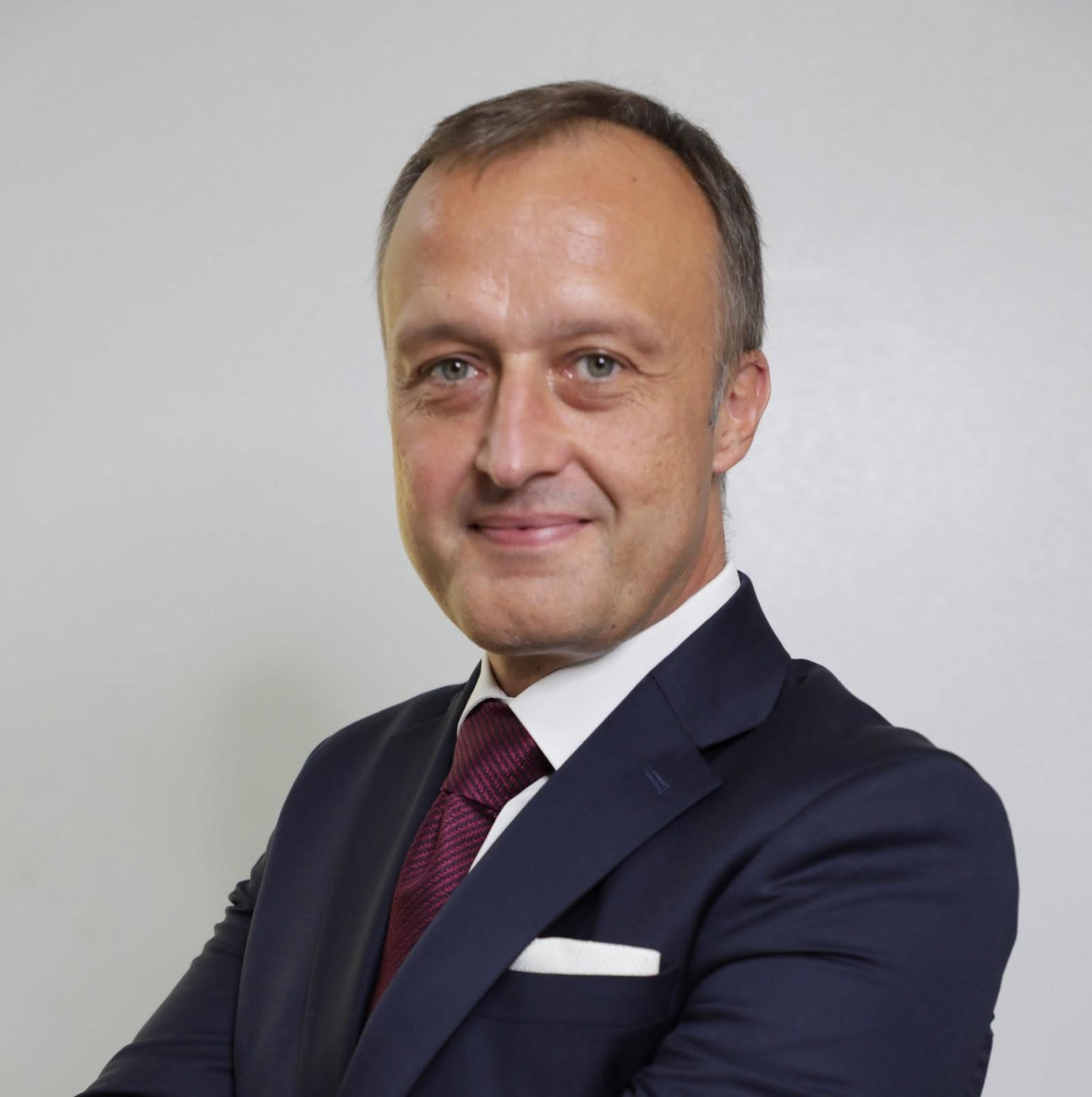
Botswana Telecommunications Corporation (BTC) generated about P597 million from asset disposals in the past financial year as it stepped up the sale of legacy infrastructure and non-core assets to support its shift toward fibre, digital services and mobile money.
Managing Director Jürgen Peschel said most of the proceeds came from the company’s ongoing replacement of its ageing copper network with fibre, with recovered copper recycled and sold as part of a continuing disposal programme.
“This is a continuous exercise,” Peschel said, adding that copper recovered from the fibre migration remained BTC’s biggest source of disposal proceeds.
BTC has also set up a recycling operation in Tlokweng to process cable coverings into products such as fence poles, he said.
Beyond the telecoms network, Peschel said BTC was reviewing its property portfolio, including apartments and other real estate assets that no longer fit the company’s strategic direction.
“Historically, BTC still owned property down to apartments and other real estate that we are very consciously considering to also dispose of or sell because we are not a real estate company,” he said.
The company is also selling obsolete telecoms equipment removed from its network, including ageing 2G and 3G infrastructure, to specialist firms that either refurbish it for reuse or dismantle it for spare parts.
The disposals are part of BTC’s broader transformation programme following the completion of a major network modernisation drive that upgraded its mobile network, expanded fibre coverage and strengthened its digital services platform.
Peschel said most of that investment had now been completed and capital expenditure linked to the rollout was expected to ease as BTC shifts its focus toward generating returns from the upgraded network.
The asset sales came in a year when BTC’s revenue was broadly flat at P1.46 billion, while profit before tax fell 45 percent to P146 million.
Despite the decline in earnings, the company declared 172 million pula in dividends.
Peschel said the board had weighed shareholder returns against the company’s investment needs and concluded that investing beyond the 456 million pula already committed would have pushed payback periods too far out.
“You always need to balance shareholder returns on one hand and the payback period for your investments on the other,” he said.
“We could have theoretically invested even more, but we believe the payback period for that incremental amount would have been too long.”


