


A 157 percent surge in trading and investment income helped Absa Bank Botswana absorb a squeeze on its lending business in the first half of 2026, after funding costs jumped 40 percent while a freeze on prime lending rates limited the bank’s ability to pass the higher costs on to borrowers.
The results come after the Bank of Botswana raised the Monetary Policy Rate by 200 basis points to 5.5 percent in April, following a 160-basis-point increase last October. On both occasions, however, the central bank directed commercial banks not to raise their prime lending rates.
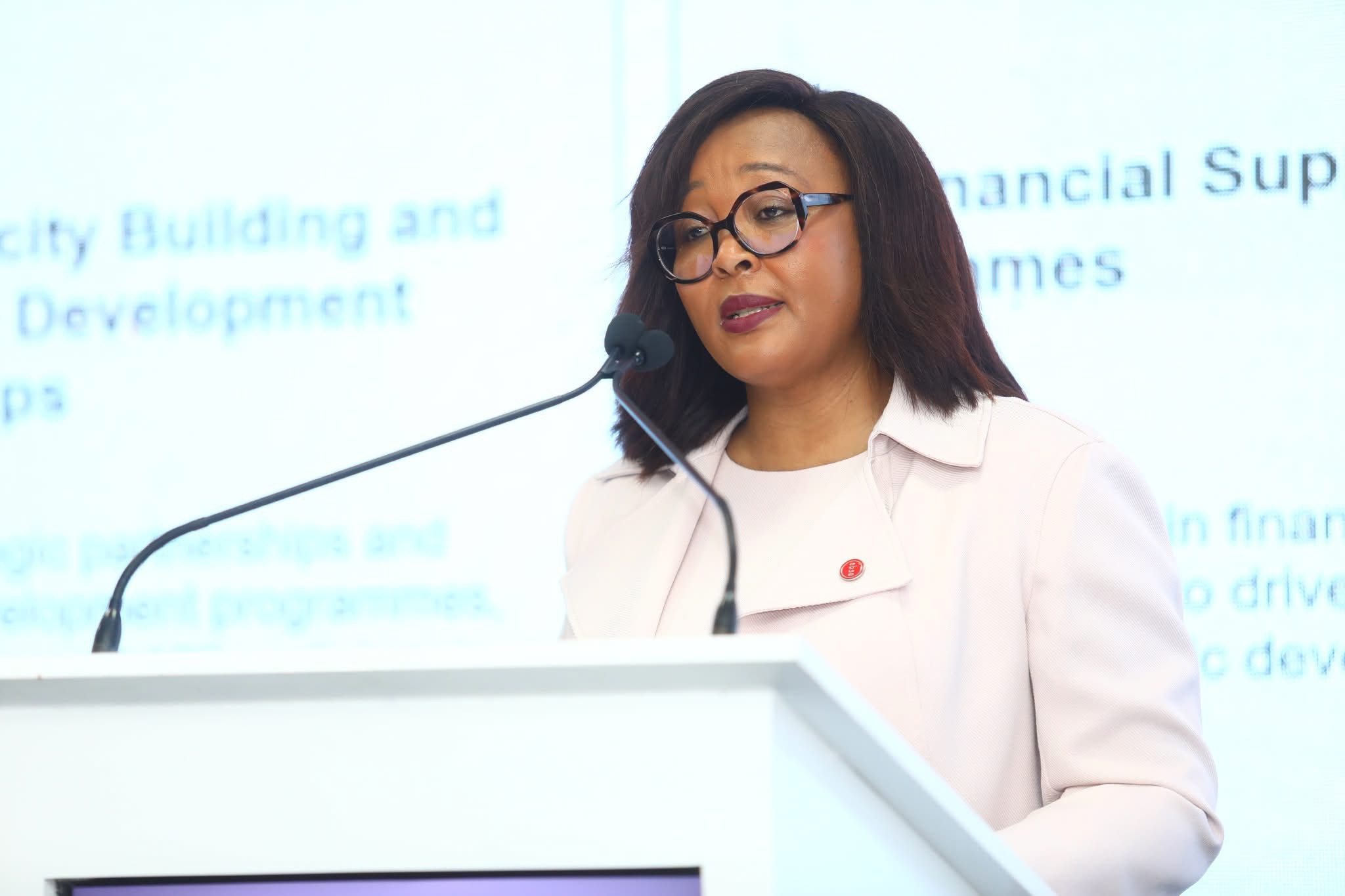
Speaking at the bank’s interim results presentation, Absa Managing Director Keabetswe Pheko-Moshagane said the continuing moratorium on further increases to prime lending rates had limited the bank’s ability to pass higher funding costs on to borrowers, squeezing lending margins.
“With the moratorium on upward adjustment to the Prime Lending Rate remaining in force,” Pheko-Moshaganesaid, this had cut “the full transmission of higher rates into lending margins.”
The constraint left Absa paying considerably more for funding without being able to fully reprice loans in response.
Acting Finance Director Amantle Kgosiemang revealed that interest income – what Absa earned from loans and other interest-bearing assets – increased 11 percent to P1.28 billion. But after accounting for the sharply higher cost of funding those assets, net interest income fell 4 percent to P727 million.
The squeeze on lending income was, however, cushioned by stronger earnings from outside the loan book. Trading income – largely generated from foreign-exchange activity and market transactions – increased 157 percent to P262 million, while fee and commission income from customer transactions and banking services rose 7 percent to P284 million.
The result pushed non-interest income to about 44 percent of Absa’s total revenue, up from roughly a third in the comparable period, giving the bank a larger earnings cushion as interest margins came under pressure.
Kgosiemang said the shift demonstrated Absa’s strategy of strengthening its treasury and transactional businesses while seeking to “reduce reliance on traditional lending income.”
Pheko-Moshagane similarly described the diversification of Absa’s earnings as a defining feature of the half-year results, saying the 157 percent increase in trading income reflected the bank’s push to broaden its sources of earnings beyond conventional lending.
That diversification helped Absa absorb the margin squeeze and still deliver an 18 percent increase in profit after tax to P377 million. Return on equity also improved to 22 percent, meaning the bank generated about 22 thebe in profit for every pula of shareholders’ capital.
The stronger earnings were accompanied by an improvement in liquidity during the second quarter, which helped bring funding costs down. Absa also allowed some of the expensive fixed deposits it took on during last year’s liquidity squeeze to mature instead of replacing them, helping reduce the overall cost of funding.
Customer deposits stood at P19.8 billion at the end of June, down from P20.7 billion in December, although they were 4 percent higher than a year earlier.
For shareholders, the recovery was enough to bring interim distributions back, with Absa’s board declaring an interim dividend of 28.87 thebe per share, equivalent to about P246 million, after paying no interim dividend in the comparable period last year.
Pheko-Moshagane said the payout was supported by the bank’s “strong earnings growth, robust capital position and resilient balance sheet.”
She, however, cautioned that the bank was not assuming the first-half trading performance would continue at the same pace.
“While our first-half performance is encouraging, we remain mindful of the economic conditions affecting customer activity, borrowing demand and business confidence,” she said.
She added that Absa would seek to broaden non-interest income beyond sources that may prove “cyclical or exceptional”, while ensuring that pricing continued to reflect the value of its services and the risks it takes on.


