


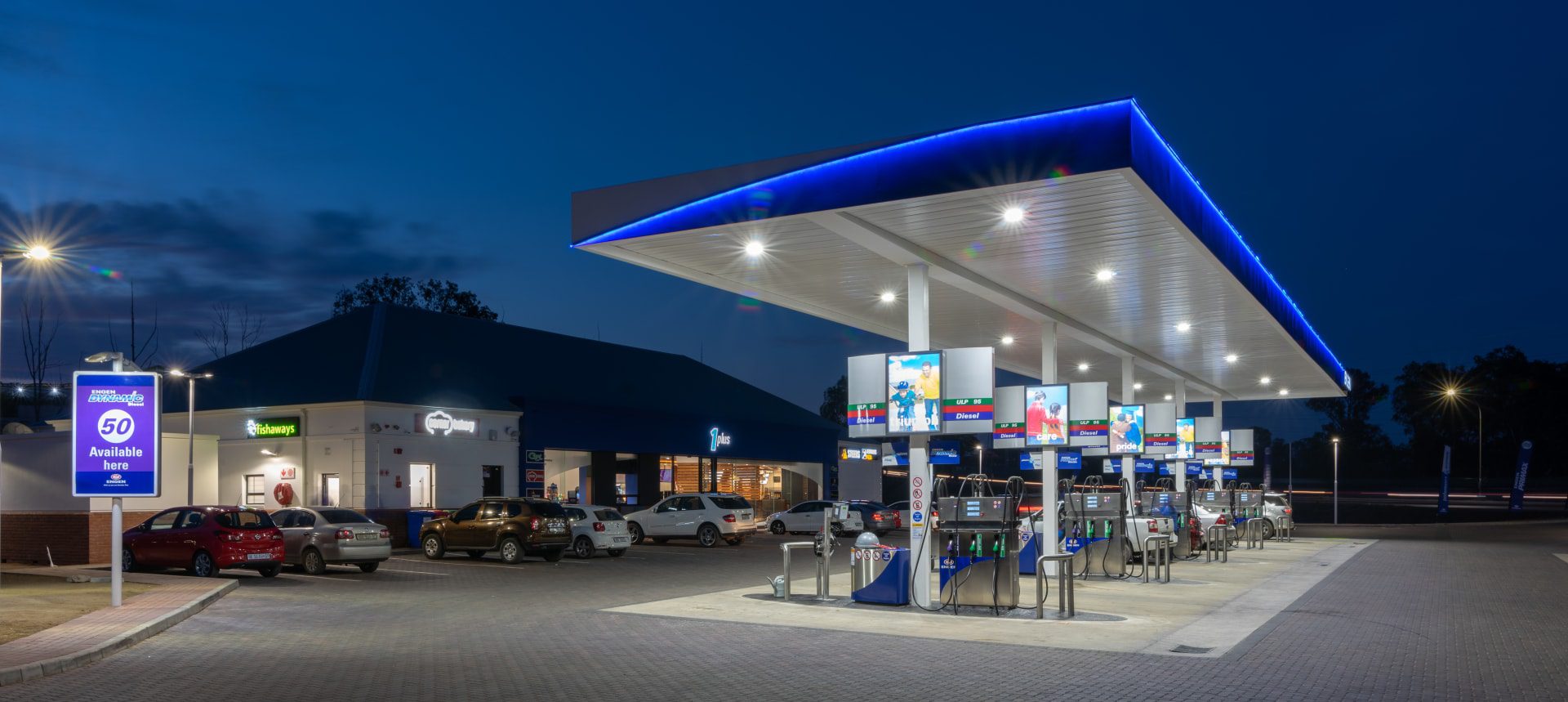
Three years after ordering the break-up of a major fuel retail network to reduce market concentration, Botswana’s competition regulator says the concentration it sought to address remains largely unchanged.
The Competition and Consumer Authority (CCA) has approved the sale of 70 percent of Engen Botswana Limited to Fusionspark Proprietary Limited, a newly formed investment vehicle backed by Mauritius-based firms and businessman Ramachandran Ottapathu.
The latest decision has put the regulator’s 2023 intervention under fresh scrutiny, after the CCA disclosed that if it doesn’t approve the merger, Vivo Energy Botswana and Engen Botswana will still account for 45.79 percent of dealer-operated service stations in the country. The figure is significant because both businesses are ultimately controlled by Vitol. The CCA’s assessment indicates that separating Engen from Vivo, and therefore from Vitol, was central to the transaction.
The CCA disclosed that Vivo Energy Botswana operates 67 dealer-operated stations while Engen Botswana operates 96. Together, the two networks account for 163 of approximately 356 dealer-operated service stations nationwide — or 45.79 percent.
With both companies linked to Vitol, the CCA said the combined concentration was “substantially above the 25 percent dominance threshold”.
Under the latest deal, Fusionspark, controlled by MMPG Limited, Surya Artha Holding Limited and Ottapathu, will acquire 70 percent of Engen Botswana from Petroleum Investment Holdings Limited, a Mauritius-registered entity.
Fusionspark is a Botswana-incorporated special purpose vehicle established for the transaction. The CCA found that it has no independent business history of its own, with its presence in Botswana deriving from the interests of its shareholders, including Acer Logistics Botswana, a fuel-haulage company 75 percent controlled by MMPG.
In assessing the transaction, the CCA estimated that Fusionspark-linked Acer Petroleum Botswana has a 0.2 percent market share, while Engen Botswana has 15.9 percent. Combined, the businesses would have a 16.1 percent share, which it says falls below the 25 percent threshold the Competition Act uses to flag dominance. This is compared to 45.79 percent of Engen and Vivo combined, as it was controlled by Vitol.
The authority therefore concluded that the transaction “does not raise harm in terms of unilateral-effects or coordinated effects concerns” in the wholesale and retail fuel market.
The main ownership-related remedy in the latest decision concerns Ajantha Proprietary Limited, which is 75 percent-owned by Reddy Group and linked to Fusionspark shareholder Ottapathu.
The CCA found “potential foreclosure risks” arising from “the vertical linkage established between Engen Botswana and Fusionspark via the Engen branded retail service sites operated by the Reddy Group.”
It ordered that the 75 percent shareholding be disposed of to citizens or citizen-owned companies, including first-time investors.
More strikingly, the authority acknowledged that this was the same concentration it had sought to reduce through its 2023 divestiture order.
“It is worth highlighting that this was the concentration position that the Authority sought to reduce by ordering a divestiture in the previous merger in 2023,” the CCA said. “At the time of the present transaction, this concentration position still prevails.”
The earlier case involved Vitol Emerald Bidco Proprietary Limited’s acquisition of 74 percent of Engen Limited, the South Africa-incorporated parent, from Malaysia’s PETRONAS. In approving the transaction, the CCA found that it would result in “an acquisition of dominance in the market for the supply or wholesale of petroleum products to Retail customers in Botswana”.
The regulator responded with a structural remedy requiring the merged entity to sell 40 Engen- or Shell-branded service stations to citizens or wholly citizen-owned companies.
Half of those stations were reserved for new entrants, while the remainder were to go to businesses operating 20 or fewer sites.
The stated objective was to dilute “market dominance post-merger to facilitate new entry”.
The 2026 decision, however, suggests that the broader concentration problem remains.
The latest approval includes conditions covering dealer agreements, access to convenience stores, the appointment of at least five new citizen-owned transport distributors within 12 months and a three-year restriction on merger-related retrenchments.
Those conditions broadly mirror categories of remedies imposed in 2023.


