


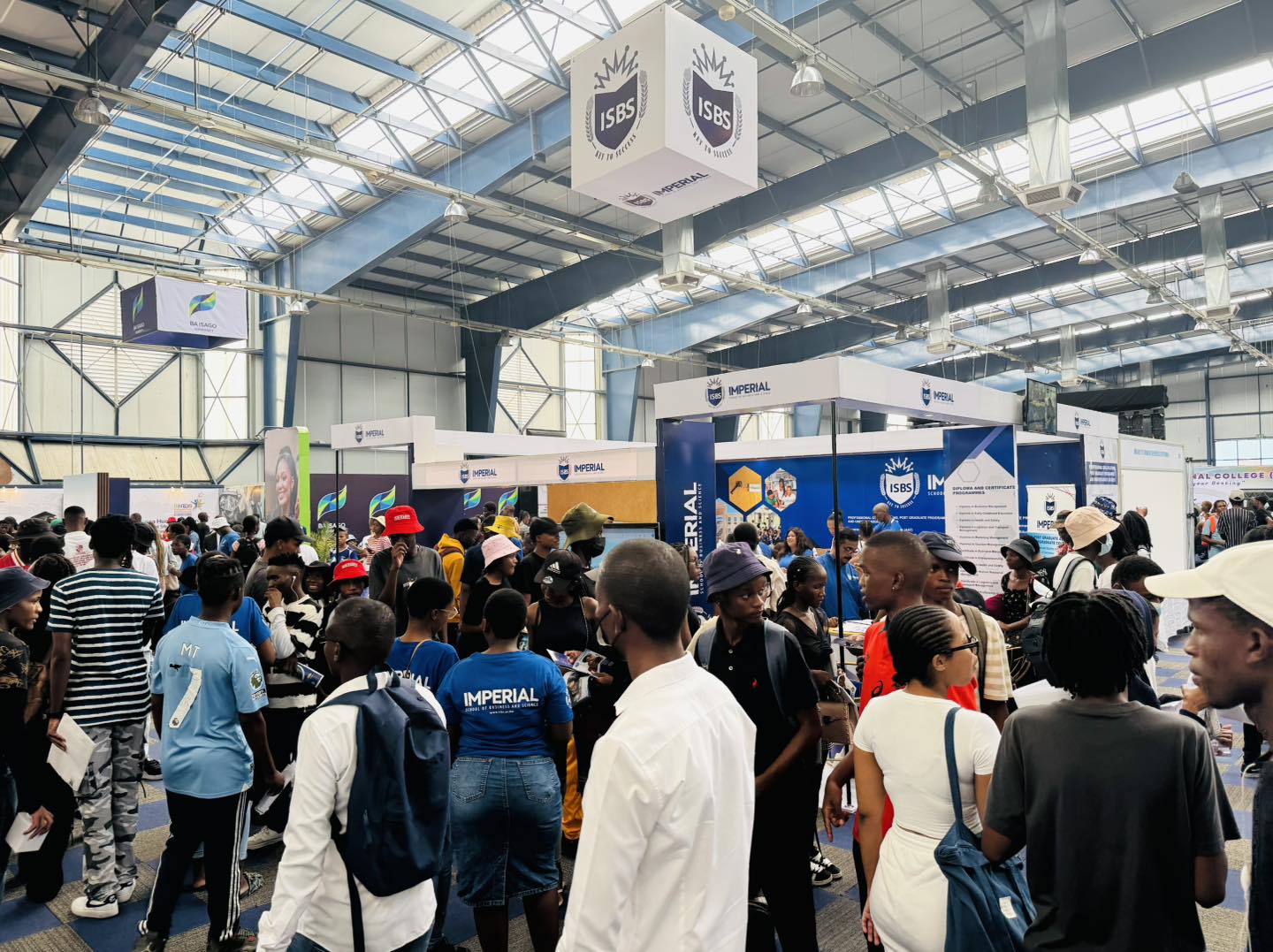
- The private tertiary institution’s CSR model links access to education with sustainable community upliftment
- From scholarships to school partnerships, underprivileged children, the private tertiary institution is aligning education with long-term national development
In Botswana’s evolving development landscape, the role of higher education institutions is increasingly measured not only by academic output but by the broader value they create for society. The Imperial School of Business and Science (ISBS) is advancing a model of education that integrates learning, access, and sustained community impact.
For ISBS, corporate social responsibility is not treated as an adjunct to its academic mandate, but as a natural extension of it. The institution’s approach centres on education-led interventions that support vulnerable communities, widen access to learning and reinforce the long-term development of human capital across Botswana.
“At ISBS, we see education as a responsibility to society, not just a service to students. Our CSR initiatives are rooted in the belief that sustainable national development begins with supporting people—especially the most vulnerable—through consistent, meaningful action,” said Nidheesh Sharma, Managing Director of ISBS.
One of the institution’s most visible commitments is its ongoing monthly support to SOS Children’s Village, where ISBS sponsors a dedicated house. The long-term nature of the partnership reflects a deliberate focus on stability and continuity in child welfare, rather than once-off interventions.
ISBS has also extended consistent support to Monax Shelter, contributing towards the care and wellbeing of elderly citizens. The initiative underscores a broader recognition of intergenerational responsibility and the importance of dignity and care across all stages of life.
Education-focused outreach remains the cornerstone of the institution’s social impact agenda. Each year, ISBS supports prize-giving ceremonies at more than 20 senior secondary schools nationwide, recognising academic excellence and encouraging learners as they prepare for tertiary education. The institution also extends assistance to a number of primary schools, reinforcing early learning as the foundation of long-term human capital development.
“Recognising learners at school level is about planting belief early. When young people are affirmed for academic effort and potential, it changes how they see themselves and what they believe is possible beyond the classroom,” Sharma said.
That emphasis on access and opportunity carries through to ISBS’s flagship scholarship programme. The institution provides 100 percent funded scholarships annually, aimed at removing financial barriers for deserving students. These scholarships enable talented individuals from diverse backgrounds to pursue tertiary education and develop skills aligned to Botswana’s evolving economic needs.
“When we invest in education, we invest in families, communities and the future workforce of this country. Our scholarships and school support programmes are designed to unlock potential and ensure that talent is never limited by circumstance,” Sharma said.
With more than two decades of operation, ISBS has established itself as a respected private tertiary institution offering BQA-accredited programmes, while remaining closely aligned to national development priorities. Its CSR initiatives complement its academic mission by extending opportunity beyond enrolled students and into communities where support can have the greatest long-term effect.
As Botswana continues its transition towards a more inclusive, knowledge-driven economy, ISBS’s integrated approach highlights the role educational institutions can play in shaping not only skilled graduates, but a more equitable and socially responsive society.


