


Botswana’s property market is showing signs of weakness, particularly in the residential segment, where high-end properties are struggling to sell, according to property valuation and market research firm Ribbery Botswana.
In its latest quarterly report covering the first quarter of 2026, Ribbery said residential property prices declined slightly compared with the fourth quarter of 2025.
The average net price of residential properties sold during the quarter fell by 0.2 percent to P933 488, from P935 342 in the preceding quarter.
“The decline is attributable to lower average residential property prices across most residential segments, including Lobatse, Selebi Phikwe, Central, Jwaneng, Maun, and Greater Gaborone,” the firm explained.
Despite the decline, demand remained concentrated in the low- and medium-cost residential segments for both sales and rentals.
“However, demand for high-end residential properties was subdued, largely reflecting the high-interest rate environment, which continued to constrain affordability and borrowing capacity for higher-value properties.”
The report said the difference between strong activity in the low- and medium-cost segments and weaker performance at the upper end points to a property market where affordability is becoming increasingly important to buyers.
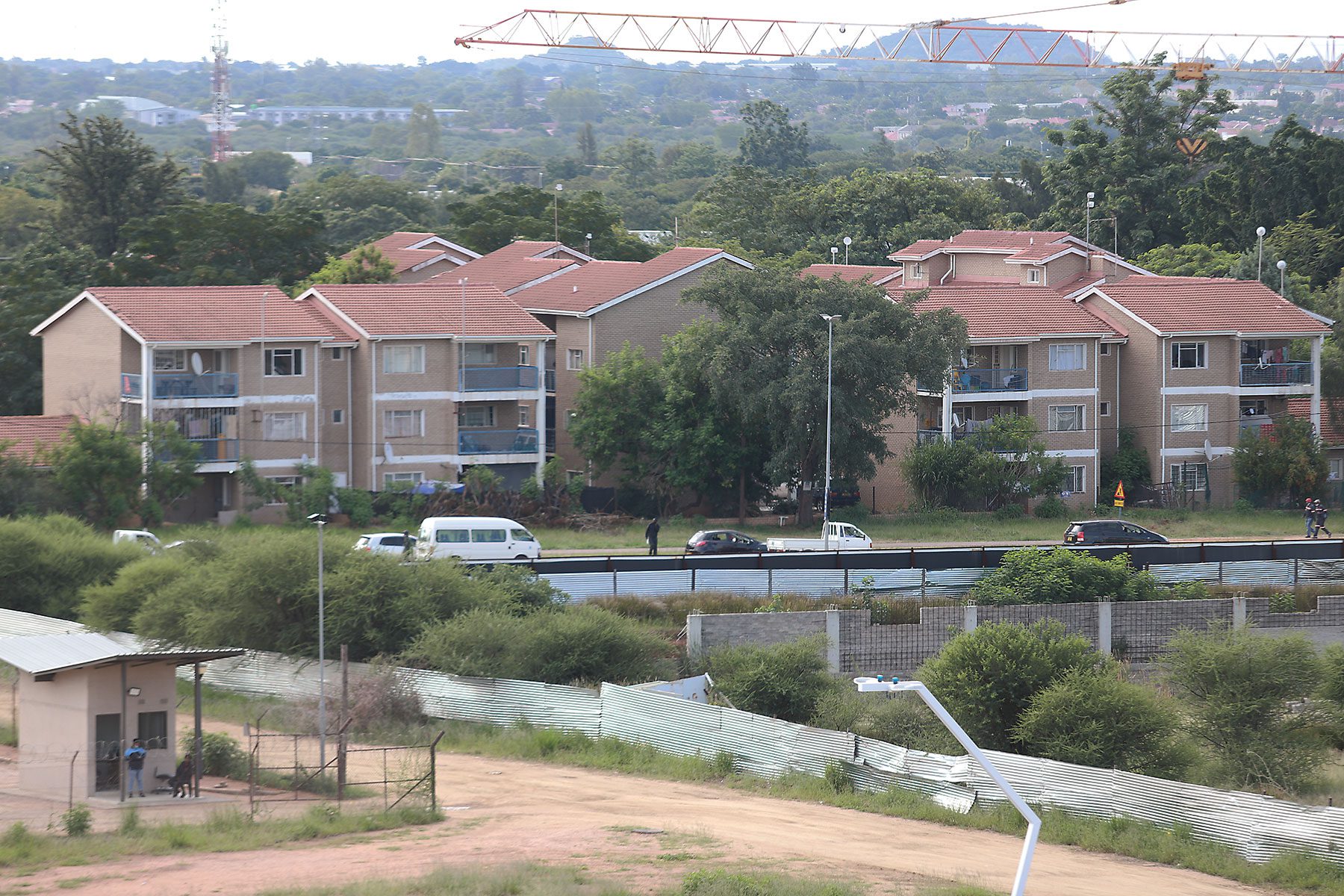
Ribbery also highlighted a growing preference for apartment living, with apartments accounting for a significant proportion of residential property sales during the period under review.
The shift suggests that consumers are gradually moving away from standalone houses towards multi-residential developments, driven by affordability, convenience and changing household needs.
“The median age of residential property buyers increased to 46 years during the quarter, which is the highest level recorded since 2021.”
“This suggests that the current market activity is increasingly supported by more established buyers with greater financial capacity in the current lending environment.”
Retail, Office
Meanwhile, the retail market continues to show sustained demand, particularly for destination and transport node malls in and around Gaborone.
These include two regional shopping centres in Mogoditshane — one involving Kweneng District Council and private developers/investors, and the A10 project by the GH Group, which has now been completed.
The report said other areas, including Molepolole, Jwaneng, Ramotswa, Maun, Francistown, Selebi-Phikwe and Mahalapye, also recorded good demand for retail property, with one or two retail projects in the planning or construction stages.
“These properties are expected to be occupied by well-established South African and local tenants.”
Ribbery said demand for office space in the first quarter of 2026 remained reasonable, although it was slower than in the fourth quarter of 2025.
It reported notable demand for office space in the new Central Business District, Showgrounds and Government Enclave.
“However, supply remains constrained, as reflected in the limited construction of office space.”


