


SPEDU has revealed that while it is sitting on an industrial investment pipeline worth between P5.9 billion and P6.8 billion, most of its industrial land remains undeveloped and unserviced, exposing the infrastructure crisis threatening Botswana’s industrialisation ambitions.
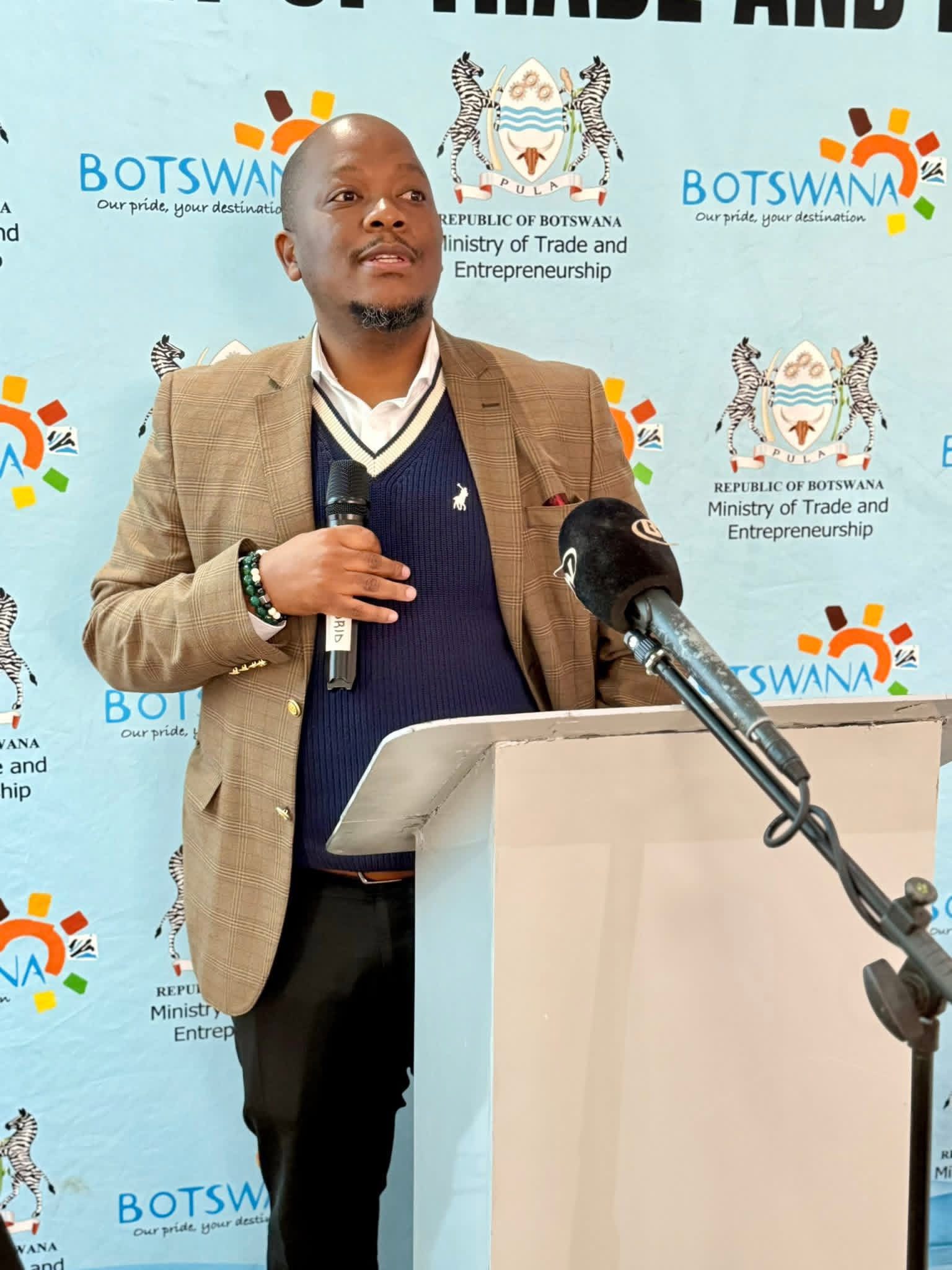
Appearing before Parliament’s Committee on Statutory Bodies and State Enterprises this week, Acting SPEDU CEO Othata Batsetswe said the institution is undergoing a major transformation from what was once a passive coordination office into what it now describes as an “execution-oriented industrialisation and investment platform.”
The agency says it has facilitated more than 157 enterprises valued at about P3.4 billion and supported the creation of over 8,000 jobs since the collapse of the BCL mine, which devastated the Selebi-Phikwe regional economy nearly a decade ago.
However, despite the growing investment appetite, infrastructure shortages remain SPEDU’s biggest obstacle.
According to Batsetswe’s presentation, more than 92 percent of SPEDU’s heavy industrial plots are still unserviced, with only two plots partially serviced and none fully serviced. Out of 103 plots in SPEDU’s land bank portfolio, only eight have been fully developed.
The institution currently holds 28 heavy industrial plots, 74 cottage industry plots and one commercial plot. While nearly half of the heavy industrial plots have already been allocated to investors, only four are fully operational.
SPEDU warned Parliament that without urgent infrastructure servicing, utilities provision and financing support, the land bank risks remaining a “passive asset inventory” instead of becoming a true industrial engine.
The agency also pointed to high electricity costs, delays in financing approvals and competition from imports as major barriers for local industries.
One of the biggest frustrations raised before Parliament was the delayed gazetting of the 30 percent Government Offtake Policy, meant to guarantee local companies preferential access to government procurement opportunities.
Batsetswe said the absence of legal enforceability has created uncertainty for investors and inconsistent implementation by procurement entities.
Despite the challenges, SPEDU insists investor confidence is growing. The institution says it secured the largest foreign direct investment in its history in late 2025, involving a chemicals manufacturing investor worth approximately US$45 million.
The manufacturing sector has also expanded significantly, growing from 22 enterprises in 2020/21 to 60 active enterprises across 17 subsectors in 2025/26.
SPEDU further outlined ambitious plans to position the region as Botswana’s future eMobility and metallurgical hub, with projected investments exceeding P3.1 billion.
The agency is also pursuing climate-smart industrialisation and recently submitted Botswana’s first application to the UN Fund for Responding to Loss and Damage, seeking about US$17 million for green industrial infrastructure and climate resilience projects.
SPEDU was established after the closure of the BCL mine to help rebuild the economy of Selebi-Phikwe and surrounding areas through industrial diversification and investment attraction.
Batsetswe told Parliament that SPEDU’s relevance is “increasing rather than diminishing” as Botswana pushes for industrialisation, export-led manufacturing and economic diversification.


