


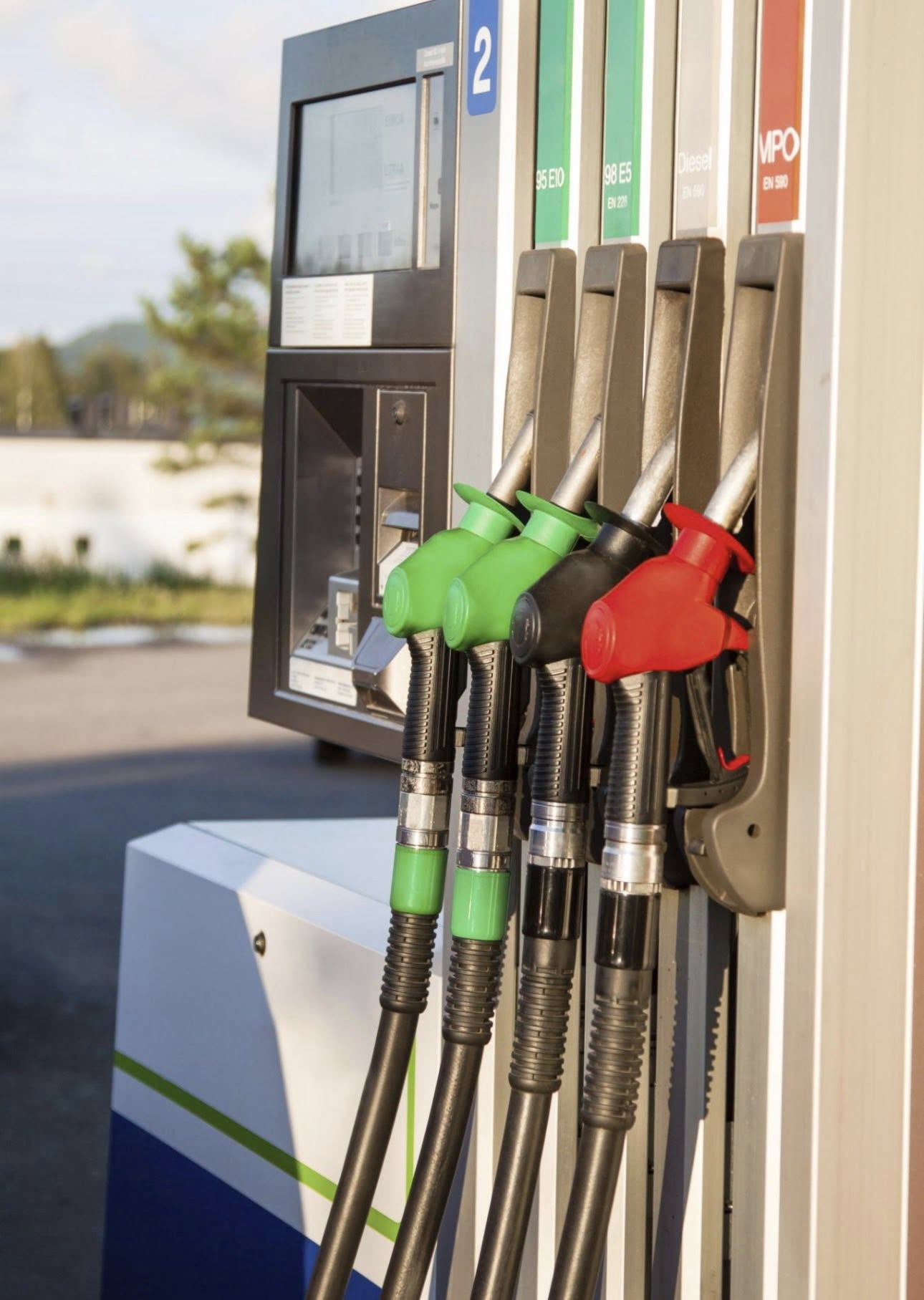
The government has suspended the fuel levy, road levy and security of supply levy—amounting to P2.45 per litre on petrol and P2.39 per litre on diesel—in a move aimed at cushioning consumers and businesses from rapidly rising global petroleum prices. However, experts say the intervention does not eliminate price increases; it merely reduces the magnitude of the shock while weakening the buffers designed to protect the country’s fuel security.
According to energy analyst Stephen Lecha, global oil markets experienced severe disruption in March 2026, with Brent crude averaging $103 per barrel and peaking at $119 following the closure of the Strait of Hormuz. West Texas Intermediate averaged $91 per barrel due to regional supply dislocations in the Middle East. The surge translated into sharp domestic pressure, forcing Botswana to increase fuel prices on March 28, 2026. Prior to this, the government had already been using the National Petroleum Fund to absorb rising import costs, limiting domestic increases to an average of 37 percent, even as global prices rose between 60 percent and 111 percent.
Support authors and subscribe to content
This is premium stuff. Subscribe to read the entire article.


