


In a bid to accelerate economic diversification, Botswana is seeking a bigger role for private investors, with government looking to mobilise pension funds, commercial banks, insurers and development finance institutions to finance businesses and commercially viable projects.
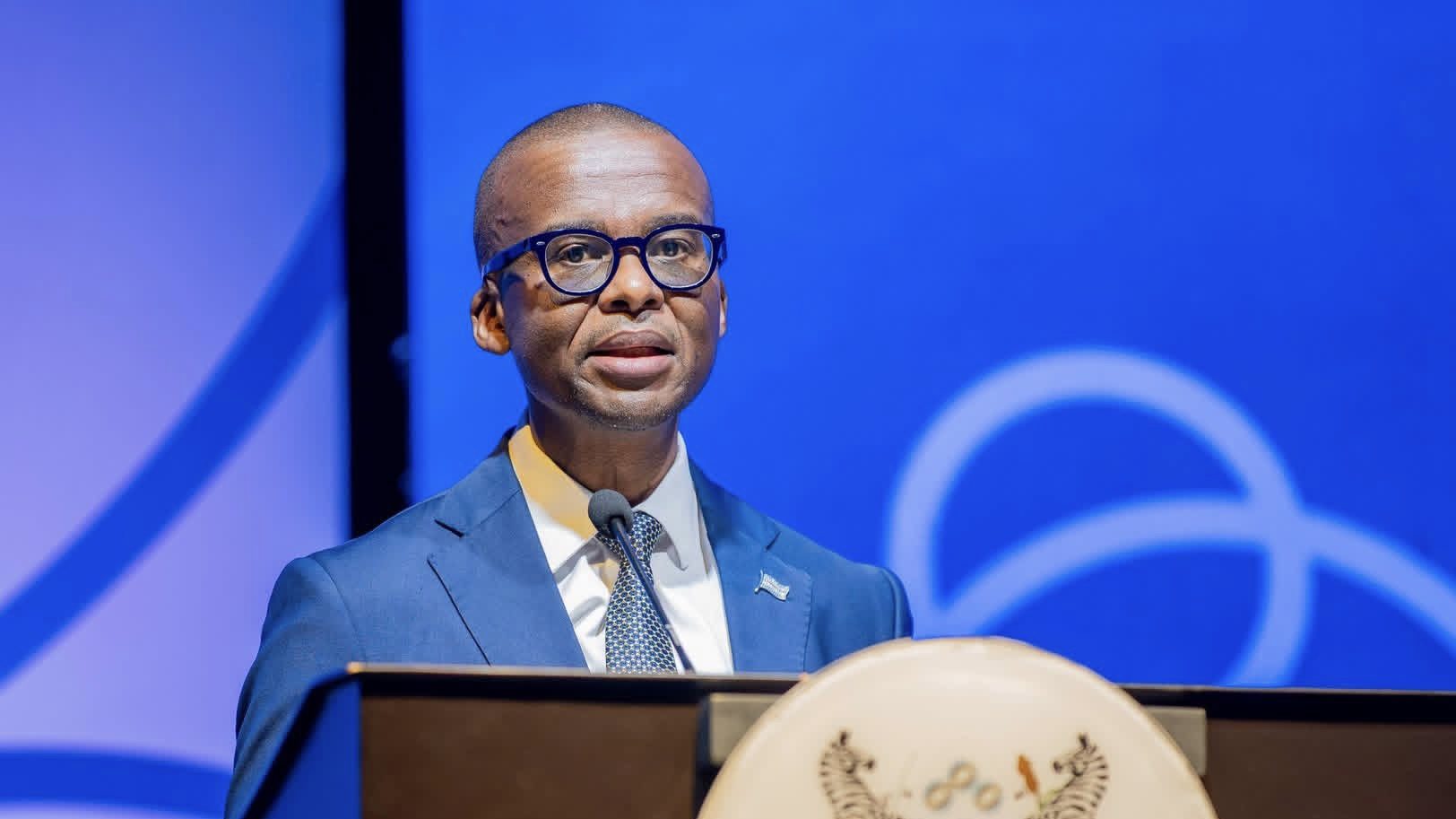
Vice President and Minister of Finance Ndaba Gaolathe said the country needed to rethink its development financing model, with government increasingly acting as a catalyst for investment rather than carrying the bulk of the financing burden.
Speaking at the inaugural Botswana Investment Forum in Gaborone on Thursday, Gaolathe said public resources should be used strategically to unlock additional capital and create conditions for businesses to grow.
A central part of the proposed approach is improving coordination among Botswana’s development finance institutions, including the Botswana Development Corporation (BDC), Citizen Entrepreneurial Development Agency (CEDA), National Development Bank (NDB) and Botswana Digital & Innovation Hub (BDIH).
Gaolathe said these institutions should operate as a connected system, supporting businesses from early-stage financing through to expansion and commercial maturity.
Government is also considering fund-of-funds structures, credit guarantees, blended finance and public-private partnerships to attract investment from a wider pool of financiers.
The financing drive is expected to support opportunities identified under the Botswana Economic Transformation Programme (BETP), which prioritises sectors such as agriculture, manufacturing, tourism, energy, mining, infrastructure and financial services.
However, Gaolathe cautioned that identifying projects alone would not attract investors.
Projects, he said, must be commercially viable, technically prepared and supported by the necessary infrastructure, approvals and market access.
He added that the true measure of success should be investments secured, enterprises established, exports generated and sustainable jobs created.
Minister of Trade and Entrepreneurship Tiroeaone Ntsima said the investment drive must also result in stronger local businesses capable of participating in major projects and competing beyond Botswana’s borders.
He identified opportunities in agricultural processing, packaging, cold storage, transport, healthcare and manufacturing, where investment could stimulate demand for local suppliers and specialised services.
Businesses, he said, needed to improve productivity, product quality, management practices and reliability to secure customers and compete effectively in regional markets.
Ntsima also called for improvements in trade facilitation, regulation, industrial development and export readiness, noting that access to opportunities created by the African Continental Free Trade Area (AfCFTA) would only benefit businesses capable of meeting market standards and customer expectations.
He urged investors to bring not only capital, but also technology, skills, expertise and access to new markets.
Meanwhile, Gaolathe emphasised that investment decisions must remain independent and grounded in commercial merit.
Both ministers challenged delegates to move beyond expressions of interest and work towards partnerships and projects capable of delivering tangible economic activity, investment and jobs.


