


Botswana’s public service may need to become smaller and more specialised as automation, digitalisation and changing workplace practices reshape the labour market.
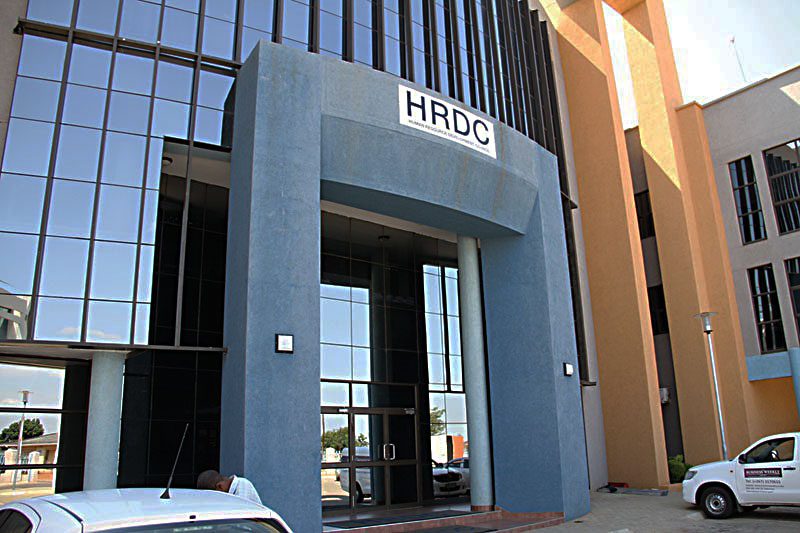
The Human Resource Development Council (HRDC) has called for the right-sizing of the public sector while warning that some occupations are already being displaced by technology.
The warning is contained in the Annual Priority Skills Report 2026, recently presented to the Ministry of Finance. The report identifies a widening divide between the jobs expected to emerge in Botswana and occupations increasingly being displaced by technology.
HRDC describes the public sector as “ballooned” and identifies poor work ethics, weak project implementation and resource wastage among its key problems. Right-sizing the public sector is listed as one of the planned interventions.
The Council also recommends that government gradually transfer implementation functions to the private sector and concentrate on policy formulation and facilitation.
“The Public Sector is the main contributor to employment,” the report says, while arguing that government should “gradually offload implementation to the private sector” and focus on policy formulation and facilitation.
The proposed transformation does not mean that public-sector employment will simply disappear. Instead, HRDC expects demand to shift towards occupations requiring more specialised technical, digital and analytical skills.
Among the occupations identified as priorities are Youth Resilience Coaches, Social Entrepreneurs/New Venture Creators, Urban Planners, Firefighters, Climate-Resilient Project Managers, MEAL Specialists, Project Managers, Digital Transformation and AI Leads, Strategic Resource Mobilisation Officers and Policy Advocacy Strategists.
HRDC identifies SMME business modelling, financial modelling, market analysis, project design, climate-risk assessment, cybersecurity, results-based frameworks and donor mapping as current or emerging skills.
Future demand is expected to include energy lawyers, labour lawyers, human-rights lawyers, data-protection lawyers and traffic engineers, alongside skills in ethical AI governance, change management, innovation and communicating complex data.
At the other end of the labour market, the report identifies occupations facing redundancy or displacement. These include hospital orderlies, X-ray attendants, manual data-capturing workers, bulk printing and posting workers, manual sorters, copper cabling workers, hand pattern markers, hand graders, data-capturing clerks and typists.
The report attributes the shift to automation, digitalisation and changing workplace processes, and calls for affected workers to be retooled and reskilled for emerging occupations.
The pressure is not unique to Botswana. Drawing on the World Economic Forum’s 2025 report, HRDC lists postal clerks, bank tellers, data-entry clerks, cashiers, printing workers, shop salespersons, administrative assistants, executive secretaries, book clerks and typists among occupations facing displacement globally.
For young Batswana entering the labour market, however, the challenge extends beyond automation.
HRDC says Botswana is also facing a persistent mismatch between qualifications and available jobs. Most industries have limited openings because of slow economic growth, while graduates are waiting too long for employment and risk seeing their skills become outdated.
At the same time, the report says industry increasingly requires specialised skills while many graduates remain generalists.
HRDC recommends moving education away from qualification-driven training towards skills-based education, entrepreneurship, job creation, research and innovation. It also calls for greater emphasis on digital and green skills and stronger links between training institutions and industry.
The Council expects Botswana’s future labour market to be increasingly shaped by the digital, green and care economies, with demand emerging for skills in artificial intelligence, data analytics, renewable energy, advanced manufacturing and specialised health and education services.
The implication is that the public service, traditionally one of Botswana’s largest sources of employment, will have to adapt alongside the wider economy — with fewer roles based on routine administration and greater demand for specialised skills.


