


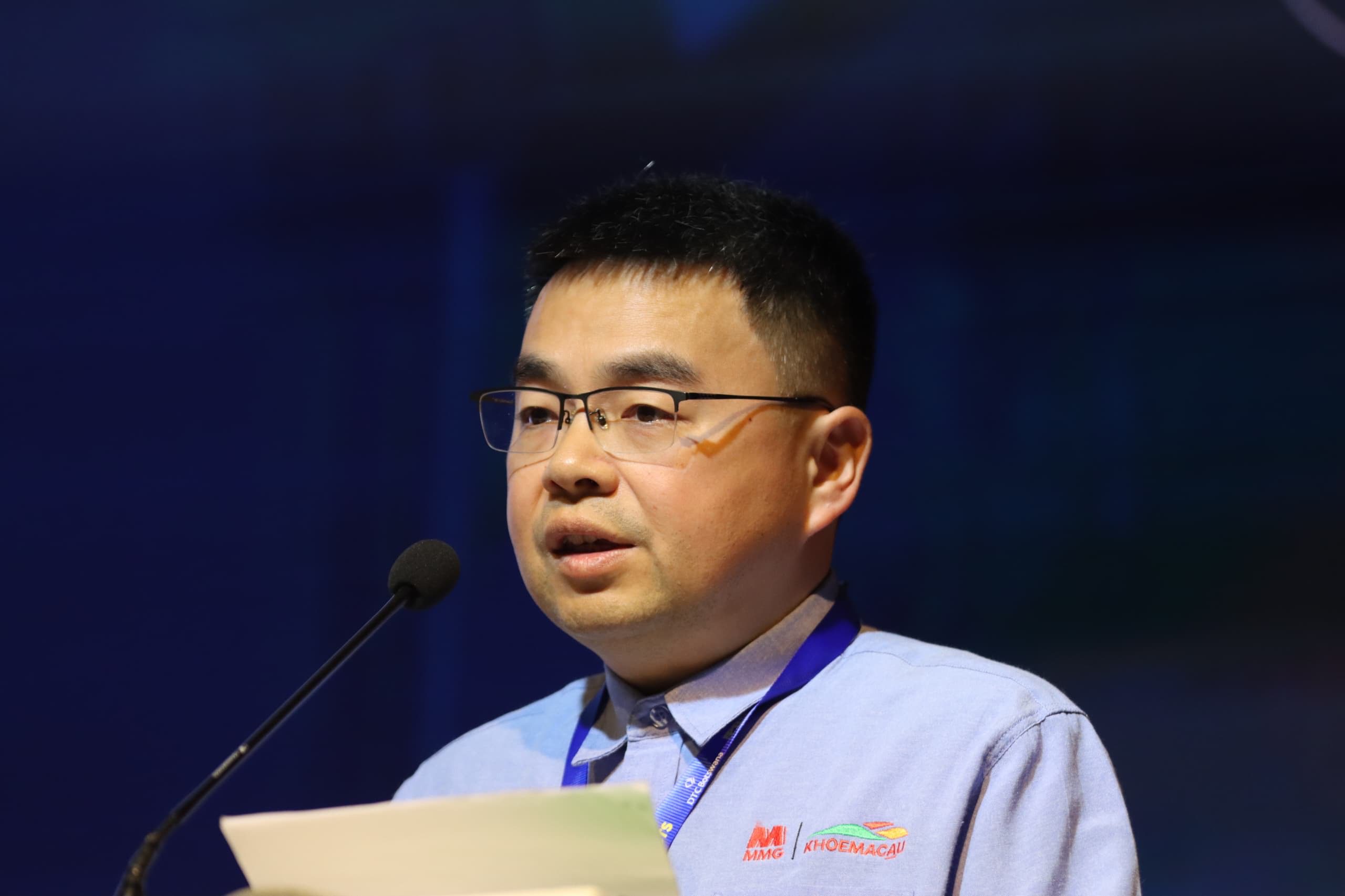
MMG Khoemacau plans to raise copper production beyond 200,000 tonnes as it enters a new growth phase aimed at expanding output while improving efficiency, sustainability and its contribution to Botswana’s wider economy.
The expansion comes as global demand for copper rises on the back of the energy transition, electric vehicles and the build-out of power infrastructure, reinforcing Botswana’s push to diversify its mining sector beyond diamonds and strengthen its position in critical minerals.
Speaking at the Future of Mining Summit 2026, Khoemacau executives said the company’s growth strategy goes beyond increasing production and is intended to build a more resilient operation, deepen community partnerships and widen economic opportunities linked to the mine.
Integrated Asset Strategy Manager Xiaoliang Liu said the next phase of development was designed to position Khoemacau as a world-class copper producer competing on scale, operational performance and sustainability.
He said the plan to lift output beyond 200,000 tonnes formed part of a broader effort to improve the mine’s competitiveness while maintaining efficiency in a more demanding global market.
Liu said mining companies were operating in an environment where customers, investors and financiers were placing greater weight on responsible mining practices alongside financial performance, making operational discipline, environmental stewardship and long-term planning as important as production growth.
For Khoemacau, the expansion is also aimed at strengthening its contribution to Botswana’s economy as the country seeks to become a leading producer of critical minerals.
Copper has become one of the world’s most sought-after commodities because of its role in renewable energy systems, electric vehicles, battery technologies and electricity transmission infrastructure. Rising demand has increased interest in projects capable of delivering reliable long-term supply.
Khoemacau said Botswana was well positioned to benefit from shifts in global markets because of its stable investment environment, established mining industry and growing pipeline of critical mineral projects.
But company executives said long-term growth could not be measured by output alone, with public trust, support for local businesses and wider economic development becoming increasingly important markers of success.
That was a central theme in discussions around mining’s social licence to operate, where Director of External Affairs Boikobo Pava said the future of mining would depend on stronger partnerships between companies, government, businesses and communities.
He said mining companies needed to move beyond compliance and show that their operations created lasting benefits for host communities.
Pava said local procurement, supplier development and citizen participation were becoming increasingly important as Botswana seeks to maximise the economic impact of its mineral resources. He said mining companies had a responsibility to create opportunities that outlast the life of the mine by supporting businesses, developing skills and strengthening local economies.
He added that the industry’s social licence to operate was built over time through consistent engagement and tangible outcomes rather than one-off initiatives, and that communities needed to see mining as a long-term development partner rather than simply an extractive business.
Khoemacau said its focus on sustainability also shaped the way it operates. Liu said responsible mining practices were becoming a competitive advantage as global markets increasingly favoured producers that could demonstrate strong environmental, social and governance performance.
He said building a resilient business required balancing production growth with environmental responsibility, operational discipline and efficient use of resources, priorities that were likely to become even more important as competition for capital in critical minerals intensifies.
The company also sees expansion as a chance to deepen Botswana’s mining ecosystem by creating more opportunities for local suppliers, contractors and service providers.
Executives said the sector’s contribution should be measured not only by export earnings, but also by its role in developing local businesses, creating jobs and building industrial capacity.
For Botswana, where economic diversification remains a national priority, copper is increasingly expected to complement diamonds as a driver of growth. Projects such as Khoemacau could help spur investment in transport, engineering, construction, manufacturing and professional services, while strengthening local supply chains.
The company said these linkages would become increasingly important as Botswana seeks to retain more value from its mineral resources and expand citizen participation in the economy.


