


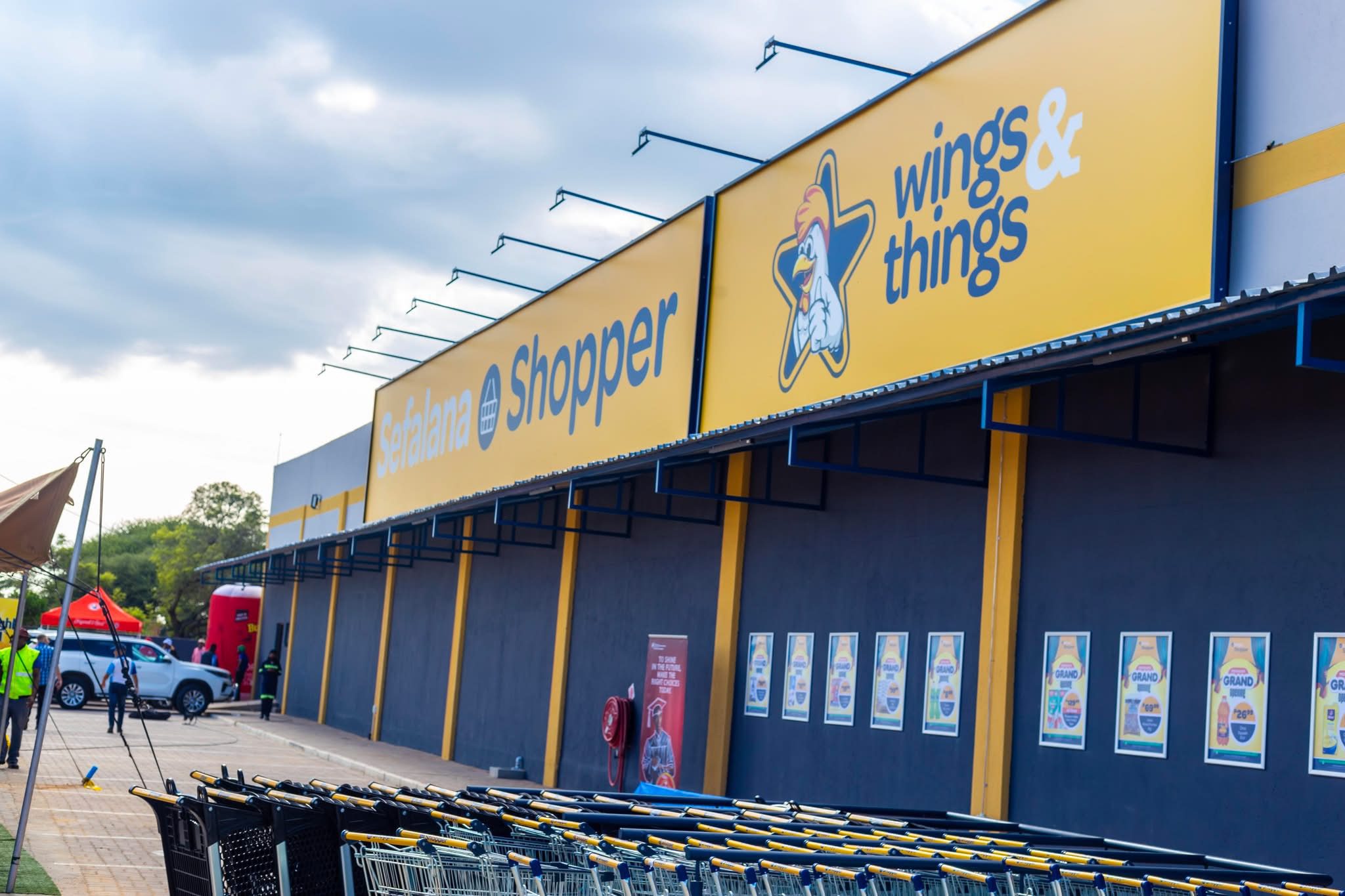
Sefalana Holding Company achieved the highest revenue in its 52-year history during the financial year ended 26 April 2026, but the Botswana Stock Exchange-listed retailer saw profits fall sharply as a slowing economy, rising operating costs and once-off factors weighed on its performance.
The group reported revenue of P12.1 billion, up 9 percent from P11.2 billion recorded in the previous financial year. The increase is from continued sales growth across its operations in Botswana, Namibia and Lesotho, despite consumers coming under increasing financial pressure.
However, the stronger sales did not translate into higher earnings. Profit before tax fell 40 percent to P331 million, from P550 million a year earlier, while profit after tax declined to P234 million from P426 million. Earnings before interest, tax and amortisation also dropped by 39 percent to P336 million, while basic earnings per share fell from 169 thebe to 93 thebe.
According to the company, the decline in profitability was partly driven by factors that are not expected to recur. In the previous financial year, Sefalana recognised a P102 million fair value gain after acquiring a South African investment at a discount. That gain was absent this year. The retailer also absorbed an additional P16 million cost after the Botswana pula was devalued by about 8 percent against the South African rand in July 2025, increasing the cost of imported goods and the settlement of trade payables.
Together, these once-off items accounted for P118 million, or about 21 percent, of the year-on-year decline in profit before tax. Excluding them, Sefalana said underlying profit before tax still declined by 19 percent, largely because of weaker performance in its Botswana operations.
The retailer said the country’s difficult economic conditions continued throughout the year, with weak global demand for diamonds reducing liquidity in the economy and leaving many consumers with less disposable income. As a result, shoppers focused on essential goods and lower-priced products while cutting back on discretionary spending, putting pressure on the group’s profit margins.
Manufacturing was one of the hardest-hit divisions. Sefalana said delays in government feeding scheme tenders created a seven-month gap in orders, reducing manufacturing profit by P72 million. The company had already purchased about P130 million worth of grain in anticipation of the tenders before they were delayed. It has since received an interim government contract and expects additional work to support a recovery.
The business also faced higher operating expenses during the year. Electricity tariff increases of around 24 percent added P25 million to costs, while above-average salary increases for lower-paid workers increased personnel expenses by another P14 million. The company said the wage adjustments were aimed at helping employees cope with the rising cost of living.
Despite the earnings pressure, Sefalana continued investing in its long-term growth strategy. The group opened 12 new stores during the financial year and has already opened another four stores in Botswana since year-end. A further five stores are planned in Namibia over the next 12 months, subject to property developments.
The retailer also strengthened its financial position, with net assets increasing to P3.2 billion from P2.8 billion a year earlier. Total employment rose by 100 people to 8,272, underlining the group’s continued investment in job creation despite challenging trading conditions.
Regionally, Namibia remained a key contributor to earnings, accounting for 39 percent of group profit before tax, while Botswana contributed 56 percent, down from 62 percent in the previous year. The company said its regional diversification strategy continues to help cushion the impact of economic weakness in individual markets.
Sefalana said it remains cautiously optimistic that trading conditions will improve as both government and the private sector implement measures to stimulate economic activity. The group also expects future growth to be supported by expansion in Namibia, increased exposure to the South African market through its investment in UIH South Africa, new store openings and further manufacturing opportunities.
The board declared a final dividend of 20 thebe per share, maintaining shareholder returns while balancing the need to preserve cash for future investment. While acknowledging that the current trading environment remains difficult, Sefalana said its focus will remain on managing costs, preserving cash flow and positioning the business for long-term growth once economic conditions recover.


