


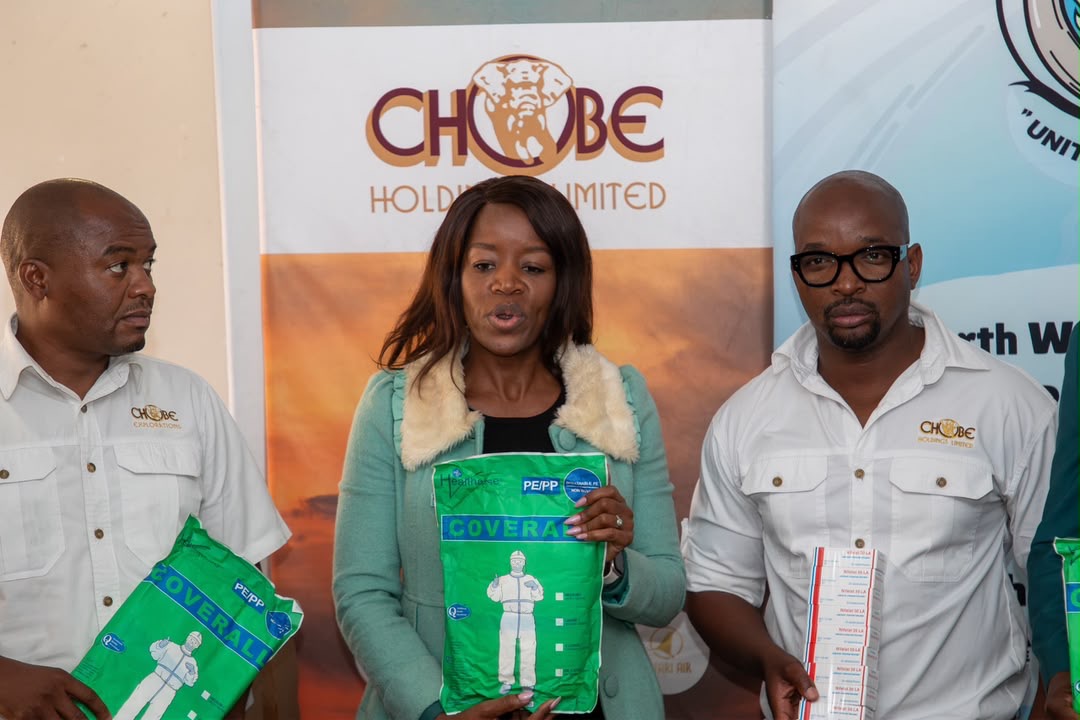
Eco-tourism outfit, Chobe Holdings Limited has committed P 250,000 towards essential medication and personal protective equipment for the North West District, marking the tourism and conservation group’s second health intervention in the region this year.
Channelled through the company’s non-profit subsidiary, Chobe Impact, the funding responds to a request from the North West District Council.
It will replenish stocks of medicines that underpin routine patient care — among them Metformin for diabetes, Nifedipine for high blood pressure, and oral rehydration salt sachets alongside personal protective equipment for Ebola preparedness.
The PPE component lands as Botswana maintains heightened readiness following Ebola outbreaks in the Democratic Republic of Congo and Uganda. No cases have been detected locally, but the Ministry of Health has kept screening protocols in force at points of entry since May and activated its public health emergency systems.
For a district that anchors the country’s safari economy and receives a steady flow of international visitors, frontline protective equipment carries particular weight.
The commitment extends a partnership forged earlier in 2026, when the group helped the district secure rabies vaccines, an intervention that addressed human and animal health in equal measure.
Group Managing Director MC Odumetse said the contribution flows directly from how the business is structured.
“Chobe operates through three pillars investing in wildlife, investing in people, and investing at home, which is where we do business across the region,” he said. “We live and breathe those pillars. Access to essential healthcare remains fundamental to community wellbeing and economic development, and as a company deeply rooted in the North West District, we believe that investing in the health and wellbeing of our communities is both a responsibility and an investment in our shared future.”
Odumetse added that Chobe Impact would continue to work alongside government and community stakeholders to deliver benefits he described as meaningful and sustainable.
For one of Botswana’s foremost tourism and conservation operators, the rationale is as commercial as it is philanthropic: the resilience of the communities surrounding its operations is inseparable from the durability of the tourism economy it depends on.


