


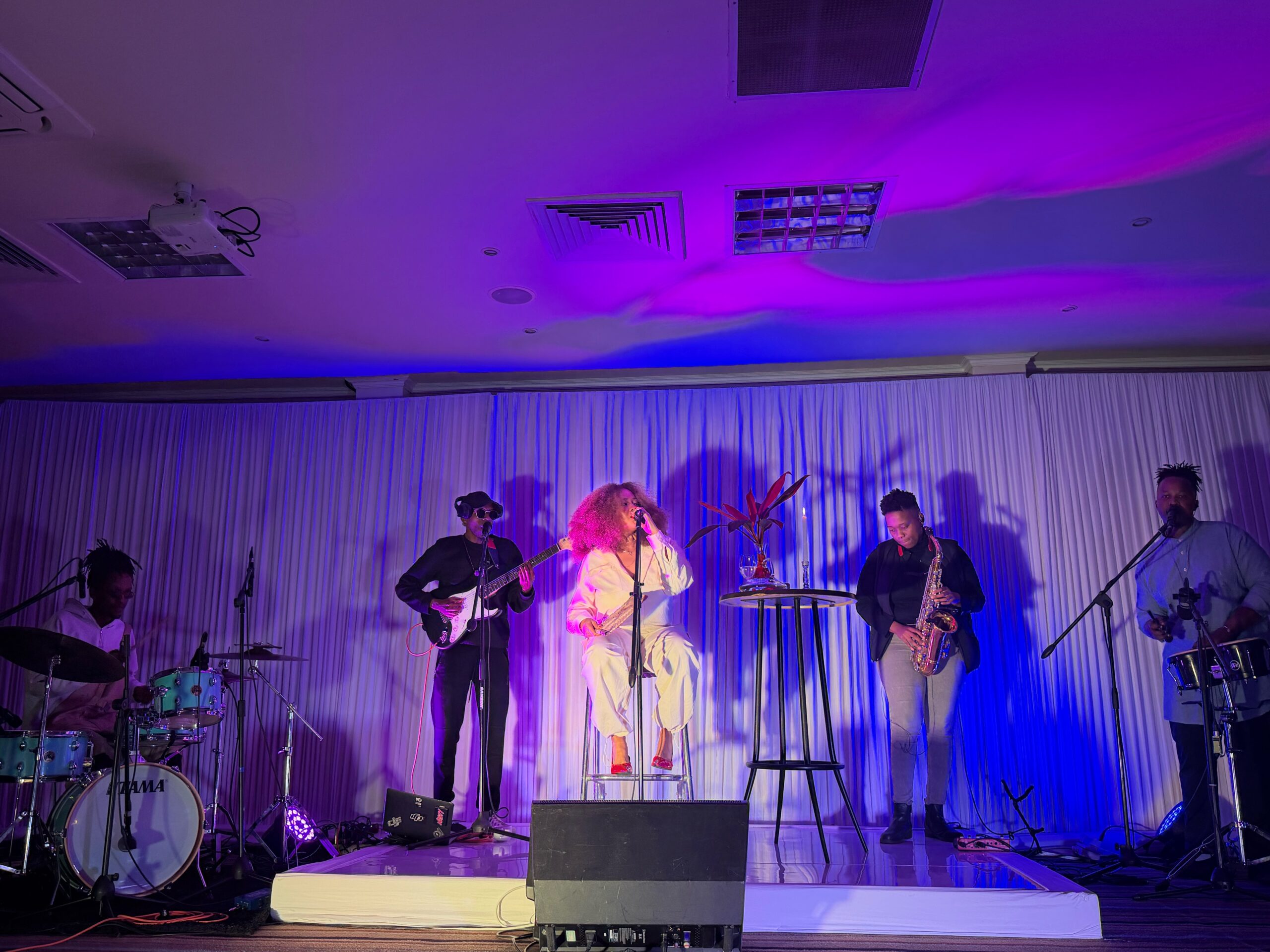
The sun set over Gaborone’s Main Mall, casting a golden glow on the Cresta President Hotel, a scene that set the stage for the 10th anniversary of Naked Soul Sessions.
The first Naked Soul Session was held in 2016 at the now-defunct Bier Baron in the Main Mall. A decade later, founder Mpho Sebina remains the only constant in the evolving cultural offering.
“Naked Soul was inspired by the sheer need for spaces where local music could be enjoyed and consumed in an intimate setup,” Sebina said. “Showcasing Botswana’s talent is a top priority for both mainstream and niche artists.”
The platform emerged during Botswana’s 50th independence anniversary, when celebration was a national mission. Sebina’s events offered a counterpoint — a space for considerate listening that united people through music and eventually extended beyond the country’s borders.
The intimate atmosphere extends beyond venue selection to curated lighting and decor.
“It isn’t a Naked Soul without candles! We try by all means to create a mood with lighting and settings to create a cozy atmosphere,” Sebina said.
Working with musicians from across the region, Naked Soul has positioned itself as an experiential stop along people’s life journeys. The 10th installment was titled “Naked Soul: Mariša” — a word borrowed from the Sekgalagadi language meaning winter.
For Sebina, born in July, the season carries personal significance. It is not only the season of her birth but also the name of her newborn child. The event marked her first production since becoming a mother and symbolized both a personal and artistic rebirth, celebrating music’s ability to heal, restore and usher audiences into a new season.
The lineup featured performers whose careers have risen alongside Naked Soul, including poet Kelesitse and DJ Jembe Soul, who complemented Sebina’s performance. Asked which acts stood out over the past decade, Sebina cited “definitely Shanti Lo, Ntirelang Berman, and The Nex Tones.”
Since Botswana celebrated its 50th independence anniversary, the cultural production landscape has undergone significant shifts. Institutions have emerged and disappeared, events have sparkled and faded, and patrons’ lives have responded to local and international socio-political changes.
Sebina said choosing to return was based on knowing “there is an appetite for such events and our patrons support our mission.” However, she acknowledged that the “challenge is trying to grow our audiences; especially during that state of our economy.”
Despite lower-than-expected attendance, the “Dumelang” singer remains hopeful that culture’s cyclical nature will bring more people into the Naked Soul orbit as the event enters its next decade.
Looking ahead, Sebina shared her vision: “More music from Botswana and unearthing new talents. We need to keep our ear to the ground in shining light on musicians who may not be mainstream.”
Her wish list spans generations and genres, including R&B singer Titose, vocalist Ayanda Abra and rhumba legend Franco. Sebina said her commitment to feeding the industry and cultural economy extends beyond her direct benefit as a businesswoman and artist.
“Support from Batswana is highly encouraged… only we can grow our creative economy,” she said.
For Naked Soul, a decade of seasonal shifts has not been enough to bring down the curtain. As long as the sun rises and sets, there will be cause for people to gather in the intimacy of a Naked Soul Session, from one decade to the next.


