


A country’s reputation is one of its most valuable assets. In today’s global economy, perception shapes investment, tourism, trade, diplomacy and competitiveness. Just as companies invest heavily in protecting their brand reputation, countries must also carefully manage how they are viewed by the world. This is the essence of nation branding: strategically positioning a country as stable, attractive, welcoming and globally competitive.
For decades, South Africa built one of Africa’s strongest nation brands. It positioned itself as the continent’s economic powerhouse, a gateway for global investment and a symbol of transformation following apartheid. The “Rainbow Nation” became more than a slogan; it was a powerful public relations narrative built on unity, inclusion, diversity and hope.
Today, that carefully built reputation is under serious threat.
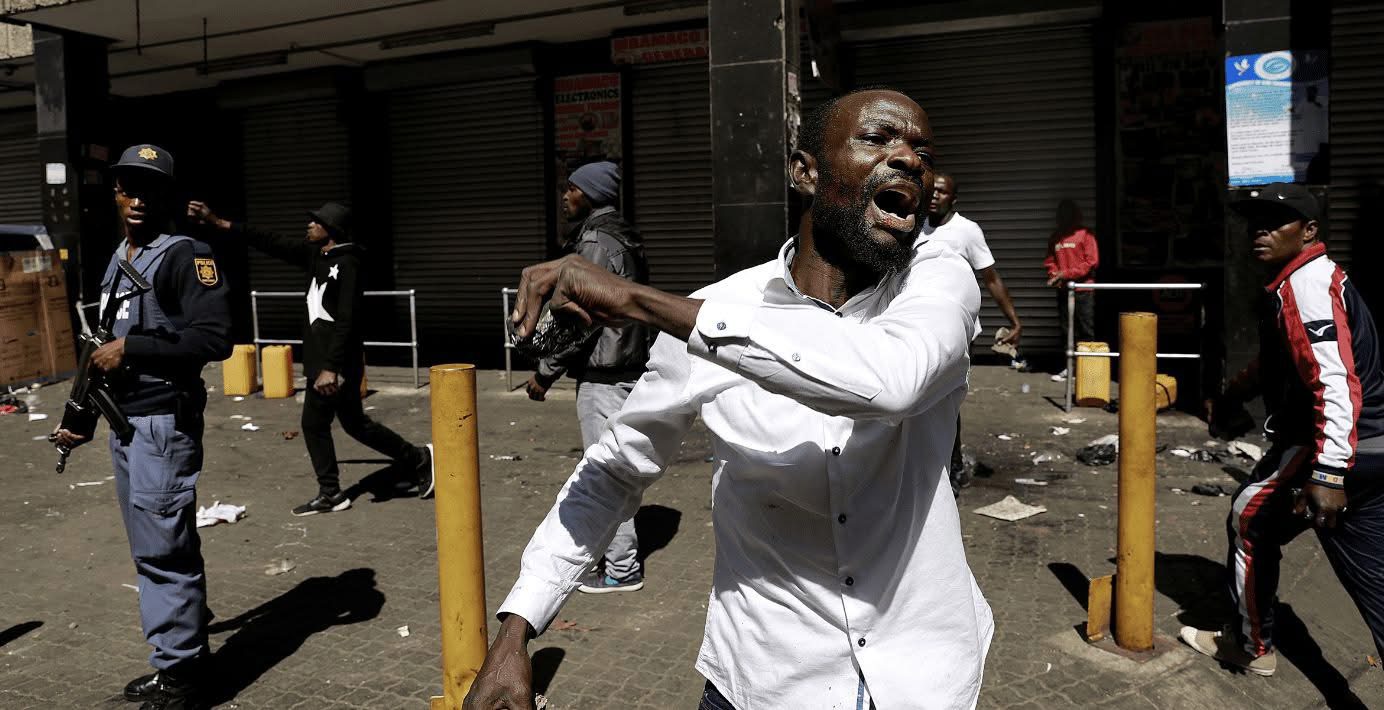
The ongoing anti-foreigner backlash, forced displacement of migrants and rising xenophobic tensions are causing significant damage to South Africa’s country brand. As disturbing scenes dominate international headlines and social media, South Africa faces a major reputation crisis at a time when global visibility has never been greater.
From a strategic marketing and public relations perspective, this is more than a social issue. It is a brand crisis with long-term implications.
Perception can change quickly. Years of brand-building can be undermined in days by repeated negative headlines. Images of displaced migrants, business closures, protests and hostility toward foreign nationals create a dangerous narrative of instability, division and unpredictability.
The biggest challenge with reputational damage is that global audiences rarely see nuance. They do not separate isolated incidents from national realities. Instead, they form broad perceptions. A country begins to be defined by the worst images associated with it. In South Africa’s case, this risks shifting the narrative from a progressive and welcoming nation to one increasingly seen as hostile and unstable.
This has major implications for investment.
Foreign investors seek stability, predictability and confidence. They want markets where institutions are strong, businesses are protected and supply chains can operate without disruption. When foreign nationals and foreign-owned businesses become targets during unrest, investors pay close attention.
This raises serious questions around market stability, governance and long-term business confidence. Such perceptions can slow investment decisions, delay expansion plans and weaken South Africa’s position as Africa’s preferred investment hub.
Tourism is equally vulnerable.
Tourism depends heavily on perception. Safety, hospitality and visitor experience drive travel decisions. South Africa has spent years positioning itself as one of Africa’s leading tourism destinations, known for world-class wildlife, luxury hospitality, iconic landscapes and cultural richness.
But tourism branding is highly fragile.
When global headlines focus on violence and unrest, tourists respond quickly. Most international travellers do not distinguish between isolated areas and broader national conditions. Fear creates broad perceptions, and once safety concerns grow, travellers often choose destinations perceived as safer and more welcoming.
The economic consequences are immediate for hotels, airlines, restaurants, tour operators and the broader hospitality industry.
The damage also extends beyond tourism and investment. South Africa’s standing as a continental leader is under growing pressure.
For years, South Africa has projected itself as Africa’s political, economic and cultural powerhouse. Its influence has been strengthened through diplomacy, trade, corporate expansion and soft power. However, the current anti-foreigner sentiment is weakening that position.
Across Africa, frustration is growing. Neighbouringcountries are increasingly questioning South Africa’s commitment to pan-African unity and solidarity. This weakens diplomatic trust and damages the country’s regional influence.
One of the clearest signs of this damage is now visible in the entertainment industry.
South African artists, who have long enjoyed massive popularity across the continent, are beginning to face serious backlash. In countries such as Nigeria, Ghana, Kenya, Zambia, Zimbabwe and Tanzania, several South African entertainers are reportedly experiencing cancellations of show bookings and event performances.
This reflects growing anger and solidarity across Africa in response to the treatment of foreign nationals in South Africa.
This matters because entertainment is one of South Africa’s strongest soft power tools. Music, culture and creative industries play a major role in shaping perception and building emotional connections across borders. South African artists have long served as cultural ambassadors.
When these artists begin losing opportunities across Africa, it signals more than entertainment disruption. It reflects weakening cultural influence and declining brand goodwill.
Country branding is deeply connected to business and corporate reputation.
When a country’s reputation suffers, its corporate brands often experience reputational spillover. South African companies operating across Africa may face increased scrutiny, consumer resistance and reputational backlash. History has shown that xenophobic tensions in South Africa can trigger retaliatory boycotts against South African businesses in other African markets.
From a strategic PR perspective, perhaps the most concerning issue is not just the crisis itself, but how it has been handled.
The relevant authorities had an opportunity to manage this issue differently. Instead of allowing aggressive rhetoric, reactive responses and damaging narratives to dominate, there should have been a deliberate strategy to address legitimate concerns without harming South Africa’s global reputation.
Strong leadership communication, proactive stakeholder engagement and carefully managed messaging could have helped contain both the crisis and the reputational fallout. The focus should have been on addressing structural challenges such as unemployment, economic inequality and service delivery failures without turning foreign nationals into scapegoats.
History offers important lessons.
Zimbabwe provides a powerful example. Former President Robert Mugabe’s land seizures severely damaged Zimbabwe’s global brand. A country once known as Africa’s breadbasket became associated with instability, economic collapse and investor uncertainty. Tourism declined, investor confidence collapsed and rebuilding trust took years.
South Africa risks facing similar long-term reputational consequences if this crisis is not managed with urgency and strategic foresight.
Rebuilding trust after reputational damage is one of the most difficult tasks in public relations and nation branding. It requires far more than statements. It demands visible action, policy consistency, restored confidence and long-term reputation rebuilding efforts.
Trust takes decades to build and moments to destroy.
South Africa’s current crisis should serve as a powerful reminder to governments, business leaders and communicators that reputation remains one of the most valuable assets any country can possess.
Building a strong nation brand takes years. Damaging it can happen overnight. Rebuilding it can take even longer.
The challenge facing South Africa is no longer just about managing the immediate crisis. It is about repairing the damage already done to its reputation across global markets and the African continent.
Because in today’s world, the world is always watching.
The author, Dumisani Ncube, is a Strategic Marketing and Communications Specialist with extensive experience working with leading local and international brands.


