


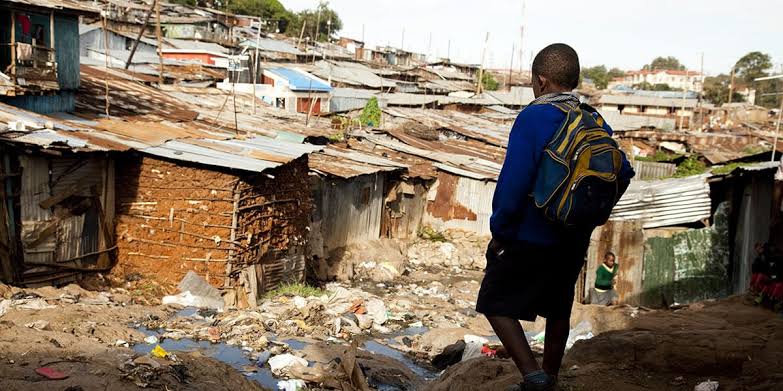
Botswana may have achieved upper-middle-income country status, but persistent poverty and inequality continue to constrain economic growth, the World Bank has warned in its latest Botswana Economic Update 2026.
The Bank says Botswana has made limited progress in reducing poverty over the past decade, with slower economic growth undermining efforts to improve living standards. The proportion of people living below the national poverty line declined from 19 percent in 2009 to 16.1 percent in 2016, representing a much slower pace of improvement compared with previous decades.
Measured against international poverty thresholds, the challenge remains significant. Around 20 percent of Batswana live below the US$3-a-day poverty line, while close to two-thirds of the population earn below the income level considered appropriate for an upper-middle-income economy. The World Bank notes that although poverty is expected to decline gradually, Botswana continues to lag behind many countries with similar income levels.
The Bank emphasises that poverty extends beyond household income, with many families still facing limited access to essential services, including sanitation, electricity and quality education. While electricity access has expanded considerably, improvements in other basic services have been slower.
Inequality remains another major obstacle. Botswana’s Gini coefficient stands at 53.3, placing the country among the most unequal economies globally. The measure indicates that economic gains have not been distributed evenly, limiting opportunities for many households to improve their living conditions.
According to the World Bank, high levels of poverty and inequality weaken economic development by reducing household consumption, limiting access to skills development and constraining productivity.
The shortage of employment opportunities remains the biggest driver of persistent poverty. Preliminary findings from the 2024/25 Multi-Topic Household Survey show unemployment increasing to 21 percent from 17.6 percent a decade earlier. Botswana also continues to record one of the lowest employment-to-population ratios globally, indicating that a relatively small proportion of working-age citizens are engaged in productive employment.
As formal job creation remains limited, many households have increasingly relied on informal employment and low-income activities. The World Bank warns that without the creation of more stable and better-paying jobs, poverty reduction will remain difficult.
The institution says accelerating private sector growth, expanding economic diversification and creating employment opportunities will be critical to reducing poverty and inequality while advancing the objectives of National Development Plan 12 and the Botswana Economic Transformation Programme.
The report argues that sustained improvements in living standards will depend not only on economic growth but also on ensuring that growth generates broader employment opportunities and benefits a larger share of the population.


